

When a commercial property changes ownership, the transition rarely happens overnight, and the gap between closing day and reopening for business can stretch on longer than expected. Every week a building sits idle costs money in lost revenue, delayed leases, or stalled operations. The good news is that most downtime is predictable and manageable if you plan for it early. This guide walks through the practical steps that help new owners and tenants minimize disruption during a commercial handover.
Assessing the Building Before You Take Possession

Before you sign off on a commercial property transfer, it pays to have a clear picture of what condition the building is really in. A pre-possession walkthrough with a qualified inspector can reveal issues that were not obvious during initial showings, from aging plumbing to outdated electrical panels. Catching these problems early gives you leverage in negotiations and time to line up the right professionals before the clock starts ticking on your lease or mortgage. A thorough inspection should go beyond a surface-level walkthrough and touch every major system: HVAC units nearing the end of their 15-to-20-year lifespan, roofing that may need patching or full replacement, fire suppression and alarm systems, and the structural integrity of load-bearing walls. Ask for maintenance logs and warranty records on major equipment so you know whether repairs are imminent or years away. If the building has multiple tenants or shared common areas, clarify who is responsible for what before you take possession. It’s also worth budgeting for specialized inspections that a general contractor might miss, such as environmental testing for mold, asbestos, or lead paint in older buildings, and a review of ADA compliance for entrances, restrooms, and parking. These niche assessments can cost a few hundred to a few thousand dollars, but they’re far cheaper than discovering a code violation after opening day. Document everything with photos, written reports, and dated timestamps, since this record becomes your primary tool if you need to renegotiate price, request repairs, or push back your closing date. A seller who knows you have hard evidence of deferred maintenance is far more likely to cooperate. Time spent here upfront often saves weeks of unplanned downtime later.
Many buyers focus only on cosmetic details—fresh paint, updated fixtures, clean flooring—and overlook the systems that keep a building functional day to day. Underground infrastructure, roofing, and mechanical systems all deserve a closer look since repairs to these areas tend to take the longest and cost the most. A collapsed sewer line or a failing HVAC unit won’t announce itself during a quick walkthrough, but it can shut down operations for weeks once you’re responsible for the property. Roofing deserves particular attention, since a full replacement can take anywhere from several days to a few weeks depending on the building’s size and the weather. Ask for the roof’s age, any warranty documentation, and a history of leak repairs before you assume it has years of life left. The same logic applies to mechanical systems like boilers, chillers, and electrical panels—these often fail without warning and can take just as long to source replacement parts as to complete the repair itself. Underground infrastructure is easy to ignore because it’s out of sight, but plumbing, drainage, and utility lines are some of the most expensive systems to fix once a problem surfaces. A camera inspection of sewer lines or a review of past utility bills can reveal issues that wouldn’t otherwise show up until a costly failure occurs. Budgeting extra time for this discovery phase almost always pays off later. Bringing in a structural engineer or building inspector before closing, rather than after, gives you leverage to negotiate repairs or price adjustments while you still have the chance.
- Request maintenance records and past inspection reports from the seller, including at least the last 2-3 years of service logs
- Hire an independent inspector rather than relying solely on the seller’s report, and choose one with commercial property experience since needs differ from residential
- Ask about the age of major systems like HVAC, roofing, and plumbing, and get manufacturer warranty documents if they’re still under coverage
- Confirm whether electrical panels and wiring meet current code, especially in buildings older than 20 years
- Check for compliance issues like fire suppression systems, ADA accessibility, and elevator certifications
- Document existing damage with photos and timestamped video before taking possession, covering floors, ceilings, walls, and exterior grounds
- Note the location of shutoff valves, breaker panels, and utility meters so you’re not searching for them during an emergency
Addressing Aging Sewer and Drain Systems Early
Older commercial buildings often have sewer lines that were installed decades ago and are nearing the end of their usable life. Rather than waiting for a backup or collapse to force an emergency repair, new owners can have the system scoped with a camera to check for cracks, root intrusion, or misalignment. In many cases, sewer lining offers a faster and less disruptive alternative to full excavation, since it can rehabilitate existing pipes without tearing up floors or parking lots.
Planning this work during the ownership transition, rather than after the business has reopened, avoids shutting down operations later. It also allows you to negotiate repair costs as part of the sale rather than absorbing them entirely on your own after closing.
Coordinating Structural Changes With Reliable Contractors
Most ownership changes come with at least some remodeling, whether it is a full layout overhaul or minor cosmetic updates. Finding commercial contractors who understand the pressure of working around a fixed opening date is essential, since delays in this phase ripple through every other part of the project. Ask potential contractors for references from similar commercial projects, not just residential jobs, since the permitting and scheduling demands are different.
A detailed written timeline with milestones helps keep everyone accountable and gives you an early warning if the project starts slipping behind schedule. It also helps to build in a buffer of extra weeks for inspections and permit approvals, which are often the slowest part of any commercial renovation.
- Get at least three bids with itemized scope of work
- Confirm licensing and insurance coverage for commercial projects
- Ask how change orders and delays are typically handled
- Request a realistic timeline that includes permitting windows
Renting Equipment for Short-Term Site Work
New owners rarely need to own specialized machinery for a one-time renovation, which is why heavy equipment rental has become such a common part of commercial transitions. Renting allows you to bring in exactly what a project needs, whether that is a skid steer for site grading or a scissor lift for interior ceiling work, without the long-term cost of ownership. This flexibility is especially valuable when the scope of work is still being finalized during the early weeks of a handover.
Working with a rental company that offers delivery and pickup scheduling around your project timeline can prevent equipment from sitting idle and racking up unnecessary rental fees. It is worth confirming operator training requirements as well, since some machinery requires certified operators for insurance purposes.
Removing Old Structures Before Rebuilding
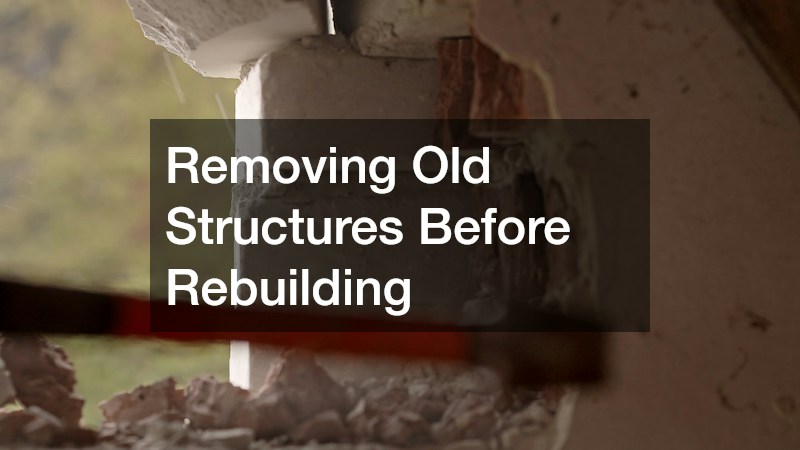
Not every commercial changeover involves preserving the existing building. In cases where a structure has outlived its usefulness or does not match the new owner’s plans, demolition services become the first step in the renovation timeline. Professional demolition crews handle not just the physical teardown but also the permitting, utility disconnection, and debris removal that come with it.
Timing this work correctly matters because demolition often uncovers surprises like outdated wiring or hidden water damage that were not visible during the initial inspection. Building in a short buffer period after demolition, before construction begins, gives contractors time to address anything unexpected without derailing the entire schedule.
- Confirm asbestos and hazardous material testing before work begins
- Ask how debris will be sorted, recycled, or disposed of
- Verify that utility lines are properly capped or disconnected
- Check that all required demolition permits are filed with the city
Keeping Job Sites Comfortable for Workers and Visitors
During a lengthy renovation or construction phase, basic amenities on site are easy to overlook but important for keeping a project running smoothly. If existing restrooms are being replaced or the building’s plumbing is offline, temporary facilities become a necessity rather than a convenience. For sites that will host clients, investors, or inspectors during the transition, luxury portable restrooms offer a more polished option than standard units, which matters when first impressions are still being formed.
These upgraded units typically include running water, climate control, and better ventilation, which makes a noticeable difference for workers spending long days on site. Planning for these amenities early, rather than scrambling once construction starts, keeps the site functional and reduces complaints from crews and visitors alike.
Replacing Outdated Heating and Cooling Systems

HVAC systems are one of the most common reasons a commercial building underperforms after a change in ownership, especially if the equipment was never properly maintained by the previous occupant. A heat pump replacement is often more cost effective in the long run than continuing to repair an aging unit, particularly in buildings where energy bills have crept up year over year. Newer heat pump systems also tend to qualify for utility rebates or tax incentives, which can offset some of the upfront cost.
Scheduling this replacement during a vacancy period, rather than after tenants or staff have moved in, minimizes disruption and avoids working around a full operating schedule. It also gives contractors more flexibility to test the system thoroughly before the building is back in daily use.
Repairing or Upgrading the Roof Structure
Roofing problems are notorious for being invisible until they cause serious damage, which makes them a priority during any ownership transition. If an inspection reveals sagging, rust, or water intrusion, addressing roof metal decking early prevents more expensive structural repairs down the line. This decking forms the base layer beneath the roofing membrane, so any corrosion or warping there needs to be resolved before new roofing materials go on.
Because this work often requires temporarily opening sections of the roof, it is best scheduled during dry weather windows and before interior finishing work begins. Coordinating this timing with your broader renovation schedule helps avoid water damage to newly completed interior spaces.
Moving Heavy Materials and Equipment Safely
Larger renovation projects, especially those involving steel beams, rooftop units, or prefabricated structures, require lifting equipment that goes beyond what a standard rental yard offers. Crane services are typically brought in for these specific tasks, and scheduling them requires coordination with street closures, permits, and other trades working on site that day. Because cranes are usually rented by the day or half day, planning the lift carefully in advance helps avoid paying for idle time.
A good crane operator will also assess site conditions like overhead power lines, soil stability, and access points before the job begins. Building this assessment into your project timeline, rather than treating it as an afterthought, reduces the risk of delays on lift day.
Relocating Business Operations and Inventory
For businesses that are moving into a new commercial space rather than simply renovating an existing one, the logistics of relocation deserve just as much attention as construction. Hiring experienced commercial movers who specialize in office equipment, inventory, and sensitive machinery reduces the risk of damage and helps keep the move on schedule. Unlike residential moves, commercial relocations often need to happen in phases to avoid shutting down operations entirely.
Coordinating the move date with the completion of construction, permitting approvals, and utility activation prevents a situation where equipment arrives before the space is actually ready to receive it. A written moving plan with a clear sequence of events also helps everyone involved stay aligned on timing.
Downtime during a commercial ownership change is rarely eliminated completely, but it can be shortened significantly with the right planning. Mapping out inspections, repairs, and logistics well before your target reopening date gives you room to adjust when surprises come up, and they usually do. Start by identifying which systems in your new building need attention first, then build your timeline backward from your ideal opening day. A little extra planning now can save weeks of lost revenue later.
