
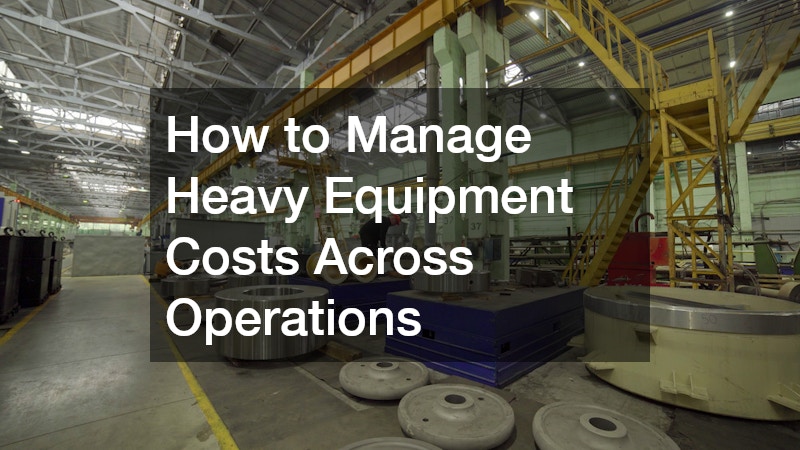
If you own property, manage a small farm, or oversee a construction project, heavy equipment costs can quietly drain your budget before you even realize what happened. Between rentals, repairs, fuel, and transportation, the expenses add up fast, and it is easy to overspend without a clear plan. This guide breaks down the major cost centers you are likely to encounter and offers practical ways to keep them under control. Whether you are managing one property or juggling several projects at once, understanding these costs upfront can save you thousands over time.
Deciding Whether to Buy, Rent, or Hire Equipment
One of the biggest financial decisions property owners face is whether to purchase equipment outright, rent it for a defined period, or hire operated machinery through a contractor. Buying makes sense if you will use a machine regularly throughout the year — as a rough guide, if utilization exceeds 60-70% of available working days, ownership usually pays off faster than renting. For occasional projects, though, the math rarely favors ownership, since most rental agreements only make sense once usage drops below a few weeks per year.
Storage, insurance, and depreciation all add hidden costs that many people forget to factor in until the bills arrive. A skid steer or excavator left idle for months still needs a secure storage space, regular maintenance checks, and insurance coverage regardless of whether it’s being used.
Depreciation can also strip 15-20% of a machine’s value in the first year alone, long before wear and tear from actual use is considered. Weighing these ongoing costs against rental or hire rates for similar equipment often reveals that short-term access is the more financially sound choice.
For short-term needs like moving pallets, clearing a job site, or loading materials, forklift rental is often the smarter financial choice. You get access to modern, well-maintained equipment without the long-term commitment of ownership, and most rental companies offer flexible terms that match your project timeline.
Rental agreements typically run daily, weekly, or monthly, with daily rates for a standard warehouse forklift often ranging from $150 to $300 depending on capacity and location. This flexibility means you can scale up during peak seasons and scale down when demand drops, avoiding the sunk cost of idle machinery sitting in your yard.
Before signing a rental contract, factor in delivery fees, insurance requirements, and fuel or battery charging responsibilities, since these can shift the true cost significantly. Also confirm what happens if the unit breaks down mid-project — most reputable rental providers include maintenance and swap-out guarantees, which effectively transfers repair risk away from your operation entirely.
- Compare weekly versus monthly rental rates before committing — weekly rates often run 3-4x the daily rate, while monthly deals can cut costs by 30-40% for extended jobs
- Ask whether delivery and pickup fees are included, since these can add $150-$500 per trip depending on equipment size and distance
- Check if operator training or certification is required, and confirm whether the rental company provides it on-site or charges extra
- Factor in fuel type and consumption before choosing a model — diesel units often cost more upfront but deliver better fuel economy on long shifts
- Review insurance and liability coverage, since some rental agreements require proof of your own policy or add daily coverage fees
- Weigh buy-versus-rent breakeven points; equipment used less than 60-70 days a year usually favors renting over ownership
Keeping Backup Power Reliable on Your Property
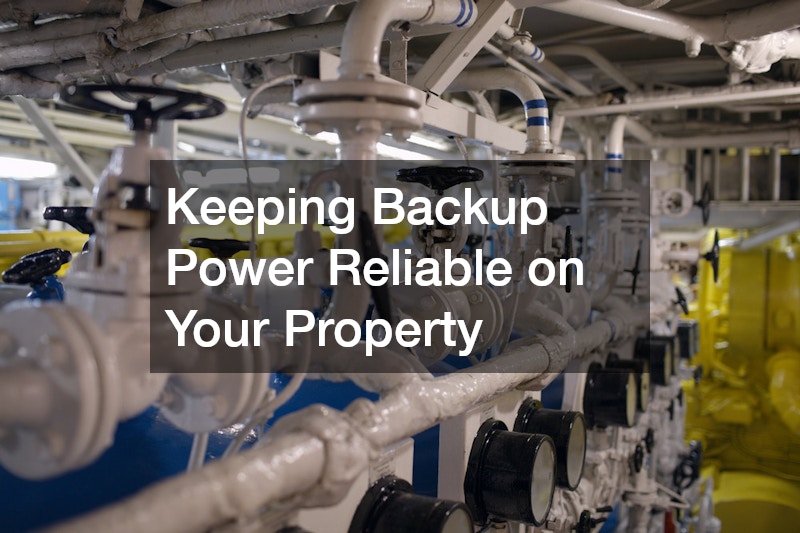
Power outages can halt operations, spoil inventory, or leave a property without heat or refrigeration at the worst possible time. Many owners invest in backup generators but overlook the ongoing cost of keeping them functional. A generator that fails during an emergency defeats the entire purpose of having one, so proactive upkeep matters more than the initial purchase price.
Scheduling routine commercial generator repair before the unit is actually needed can prevent costly emergency service calls later. Technicians can catch worn belts, failing batteries, or fuel line issues long before they cause a full breakdown. Pairing this with a dependable propane delivery services provider ensures your generator always has fuel on hand, especially during storm season or peak demand periods when supply can tighten quickly.
- Test generators monthly under load, not just at idle
- Keep a written maintenance log for warranty purposes
- Confirm your fuel supplier can guarantee emergency delivery windows
- Budget for annual inspections rather than reactive repairs
Moving Large Machinery Without Overpaying
Relocating heavy equipment between sites is one of the most underestimated expenses in any operation. Costs vary widely depending on distance, permits, and the size of the machinery involved, so getting multiple quotes is essential before scheduling a move. Many owners are surprised to learn that improper handling during transport can cause more damage than years of normal use.
Working with a company that specializes in industrial machinery moving reduces the risk of costly accidents and ensures compliance with local road and weight regulations. These specialists carry the right rigging, flatbeds, and insurance coverage to protect your investment during transit. Getting a written estimate that includes loading, transport, and unloading fees helps avoid surprise charges after the job is done.
- Request proof of insurance before hiring a moving crew
- Ask about permit costs for oversized loads
- Confirm whether disassembly and reassembly are included in pricing
- Schedule moves during off-peak hours to reduce delays
Managing Costs on Construction and Renovation Projects

If you are planning a build or major renovation, equipment costs are often bundled into your contractor’s overall bid, which can make it hard to see where your money is actually going. Ask for an itemized breakdown so you understand what portion of the budget covers machinery, labor, and materials separately. This transparency helps you spot areas where costs might be trimmed without cutting corners on quality.
A reputable commercial construction contractor will already have relationships with equipment suppliers, which can sometimes lower rental rates through bulk agreements. Asking your contractor directly about these arrangements can reveal savings you would not find on your own. It also helps to confirm whether equipment downtime due to weather or delays is billed to you or absorbed by the contractor.
- Request itemized equipment costs in every bid
- Ask how weather delays affect rental billing
- Confirm whether the contractor owns or rents key machinery
- Clarify who is responsible for equipment damage on site
Budgeting for Agricultural Equipment Needs
Property owners with farmland or large rural lots face a unique set of cost challenges, since agricultural machinery tends to be seasonal but expensive to maintain year-round. Tractors, tillers, and harvesters sit idle for months at a time, yet they still require storage, fuel stabilization, and periodic servicing to stay ready for use. Skipping this upkeep often leads to bigger repair bills once the season starts.
Renting farm machinery during planting or harvest season is often more cost-effective than owning multiple specialized units that only get used a few weeks a year. This approach frees up capital for other property improvements while still giving you access to modern, efficient equipment when you need it most. Local co-ops and equipment dealers frequently offer seasonal rental packages worth comparing before committing to a purchase.
- Compare seasonal rental rates against long-term ownership costs
- Store equipment properly during off-season months
- Stabilize fuel in idle machinery to prevent engine damage
- Ask dealers about trade-in programs for aging equipment
Protecting Equipment Performance Through Air Quality
Dust, debris, and airborne particles are silent contributors to equipment breakdowns, especially on construction sites, farms, or industrial properties. Engines and compressors that pull in contaminated air wear out faster and lose efficiency long before their expected lifespan ends. Many owners do not realize how much routine filtration maintenance can extend the life of expensive machinery.
Installing quality industrial air filters on generators, HVAC systems, and engines reduces particulate buildup that leads to costly internal damage. Similarly, air compressors used for pneumatic tools and equipment need clean, dry air to function properly, since moisture and debris can corrode internal components over time. Replacing filters on a regular schedule is a small expense compared to rebuilding or replacing an entire unit.
- Replace filters according to manufacturer guidelines, not just when they look dirty
- Choose filter ratings appropriate for your specific environment
- Inspect compressor tanks for moisture buildup regularly
- Keep spare filters on hand to avoid operational downtime
Securing Reliable Fuel Sources for Ongoing Operations
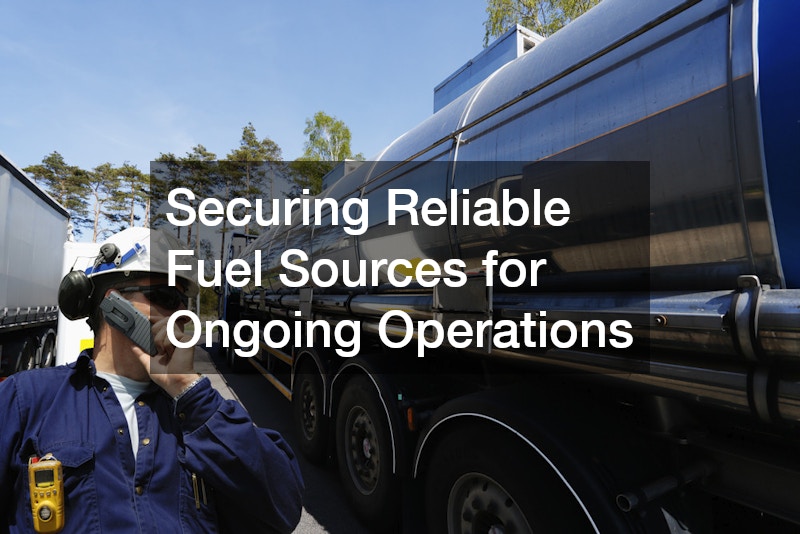
Fuel price volatility can make budgeting for equipment operation frustrating, especially for owners managing multiple machines across different locations. Locking in predictable pricing and delivery schedules helps avoid the sticker shock that comes with spot-market fuel purchases. This is particularly important for anyone running generators, tractors, or heavy machinery on a consistent basis.
Partnering with wholesale fuel suppliers often provides better per-gallon pricing than retail stations, along with the convenience of scheduled deliveries directly to your property. Many suppliers also offer contracts that lock in rates for a set period, which protects you from sudden market spikes. Comparing at least two or three suppliers annually ensures you are still getting competitive terms as your usage changes.
- Ask about volume discounts for regular fuel orders
- Compare fixed-rate versus market-rate contracts
- Confirm delivery reliability during high-demand seasons
- Track fuel usage to negotiate better terms over time
Handling Temperature-Sensitive Transport Needs
If your operation involves perishable goods, medical supplies, or other temperature-sensitive materials, transportation costs require extra scrutiny. Standard freight simply is not built to maintain the consistent conditions these items need, and a single equipment failure during transit can result in a total loss. Understanding what you are paying for in specialized transport helps you avoid both spoilage and overpayment.
A dependable reefer transportation company maintains refrigerated trailers with backup cooling systems and real-time temperature monitoring, which reduces the risk of costly product loss. While these services cost more upfront than standard freight, the protection they offer often justifies the investment, particularly for larger shipments. Always ask about monitoring technology and contingency plans before signing a transport contract.
- Request temperature logs for every shipment
- Ask about backup refrigeration systems in case of mechanical failure
- Confirm insurance coverage for spoiled or damaged goods
- Compare per-mile rates against standard freight to understand the premium
Building a Preventive Maintenance Routine

Regardless of the type of equipment you manage, a consistent maintenance schedule is one of the most effective ways to control long-term costs. Reactive repairs almost always cost more than proactive servicing, both in direct expenses and in lost productivity while equipment sits idle. Industry estimates suggest unplanned downtime can cost two to three times more than a scheduled repair, once you factor in rush parts orders, overtime labor, and missed project deadlines.
A strong routine starts with manufacturer-recommended service intervals, but should also account for real-world usage patterns like hours logged, load conditions, and climate exposure. For example, equipment running in dusty or high-heat environments may need filter changes and fluid checks far more often than the standard interval suggests. Building these variables into your schedule helps you catch wear before it becomes a costly failure.
Setting calendar reminders for inspections helps ensure nothing gets overlooked during busy seasons, but many operations now pair this with maintenance tracking software or telematics systems that automatically flag service needs based on engine hours or mileage. Keeping a simple checklist for daily operator inspections—checking fluid levels, tire pressure, and visible wear—can also catch small issues before they turn into major repairs.
Keeping detailed records of every service visit also helps when it comes time to sell or trade equipment, since documented maintenance history often increases resale value. Buyers and dealers frequently discount unverified machines by 10 to 20 percent simply because they can’t confirm how well it was cared for, while a complete service file can help an owner negotiate closer to fair market value.
Many owners find that a simple spreadsheet tracking service dates, costs, and technician notes pays for itself within a year or two. At minimum, useful fields include the date of service, hours or mileage at the time, parts replaced, labor cost, and the technician’s observations about wear or potential issues to watch.
Some operations go a step further by scanning receipts and invoices into a shared folder linked to each spreadsheet entry, so the full paper trail is available instantly if a buyer or auditor asks for it. Others use fleet management software that logs maintenance automatically through telematics, reducing the risk of missed entries or forgotten details. Whichever method is used, consistency matters more than complexity — a basic system updated faithfully will always outperform an elaborate one that gets abandoned after a few months.
- Set recurring reminders for oil changes and filter replacements based on manufacturer-specified hours, not just calendar months
- Track warranty expiration dates for all major equipment, including separate coverage windows for engines, hydraulics, and attachments
- Log hour-meter readings weekly to catch equipment approaching service intervals before problems surface
- Document every repair with photos, receipts, and technician notes to build a service history for resale value and warranty claims
- Review maintenance costs quarterly to spot patterns, flagging any unit whose repair spend exceeds 10-15% of its replacement value
- Assign one person or team ownership over the maintenance schedule so tasks don’t fall through the cracks across shifts or job sites
Comparing Vendors Before Committing to a Contract
It is tempting to stick with the first vendor you find, but comparing multiple providers across every category, from fuel to rentals to repairs, almost always uncovers better pricing or service terms. Taking the time to request quotes from at least three companies before signing any contract puts you in a stronger negotiating position. This is especially true for recurring expenses that add up significantly over a year.
- Request written quotes rather than verbal estimates
- Ask each vendor about hidden fees or minimum order requirements
- Read recent customer reviews before signing long-term contracts
- Renegotiate terms annually as your needs change
Managing heavy equipment costs does not require an industry background, just a willingness to ask the right questions and compare your options before committing. Start by identifying which expenses in your operation are recurring versus occasional, then prioritize the sections above that apply most directly to your situation. Small changes, like scheduling preventive maintenance or comparing fuel suppliers annually, can add up to meaningful savings over time. Taking these steps now will put you in a much stronger position to control costs on every future project.
