
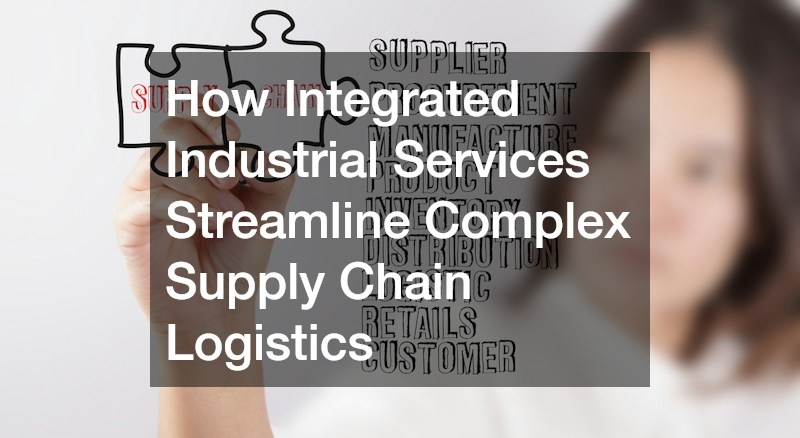
Managing a modern industrial enterprise requires juggling dozens of interconnected moving parts. From raw material ingestion to final-mile dispatch, supply chain resilience relies heavily on the physical health of production plants, distribution centers, and fulfillment hubs. Yet, many operational leaders fall into the trap of managing their facilities through a highly fragmented vendor network. When a facility relies on independent contractors for paving, roofing, internal automation, mechanical repairs, and environmental compliance, operational friction increases exponentially.
Fragmented vendor management creates communication bottlenecks, misaligned schedules, elevated operational risks, and inflated capital expenditures. A delay in exterior slab repairs can halt freight offloading, while an unaddressed mechanical failure on an assembly line can back up an entire regional logistics network. The solution lies in adopting an integrated industrial service model—a unified approach that consolidates facility infrastructure, equipment maintenance, and material handling support under cohesive operational strategies.
By integrating core facility and mechanical services, industrial enterprises lower their total cost of ownership, mitigate systemic risks, and create a seamless bridge between plant operations and global supply chain logistics.
Phase 1: Heavy Site Infrastructure and Exterior Logistics
The physical foundation of any distribution center or manufacturing plant determines how efficiently freight moves in and out of the facility. Exterior grounds must withstand constant mechanical stress from high-tonnage vehicles, heavy static loads, and harsh weather conditions. Failing to maintain external site infrastructure introduces severe supply chain bottlenecks before goods even enter the building.
Build Heavy-Duty Pavement for High-Tonnage Yard Operations
An industrial facility’s parking apron, trailer drop yard, and loading dock access drives are subject to continuous stress from heavy freight traffic. Over time, high-axle loads and constant turning friction cause surface fatigue, rutting, and pothole formation. Damaged pavement slows down yard hostlers, causes damage to trailer chassis, and increases the risk of workplace accidents.
To maintain continuous freight movement, logistics managers must implement proactive pavement maintenance and structural reinforcement programs.
- Load Distribution Audits: Regularly evaluate high-wear staging areas to determine if current paving depth matches active fleet weight distributions.
- Surface Resurfacing: Partner with a commercial asphalt contractor to apply high-durability hot-mix asphalt formulations designed to resist rutting and shear stress from turning trailers.
- Preventative Sealcoating: Apply high-grade sealants to prevent oil penetration, water intrusion, and oxidation caused by constant ultraviolet exposure.
- Drainage Stabilization: Ensure catch basins and runoff channels are clear to prevent standing water from compromising the sub-base layer under heavy loads.
Proactive yard maintenance minimizes vehicle wear and tear and keeps trailer staging operating at maximum throughput capacity.
Engineer High-Strength Concrete Pads and Foundation Slabs
While flexible pavement handles high-traffic drive aisles, heavy static loads require rigid foundation solutions. External storage silos, automated sorting equipment, fuel stations, and heavy machinery pads place immense pressure on ground surfaces. Poorly engineered slabs crack under sustained loads, leading to misaligned machinery and dangerous structural shifting.
Heavy-duty concrete engineering provides the structural stability needed for intensive industrial activities.
- High-PSI Formulations: Utilize specialized concrete mixes engineered to withstand high compressive stress and heavy point loads from static storage containers.
- Slab Reinforcement: Work alongside an experienced commercial concrete contractor to pour fiber-reinforced, post-tensioned slabs that prevent deep structural cracking and thermal expansion damage.
- Vibration Isolation: Design isolated concrete pads for heavy dynamic machinery to prevent operational vibrations from transferring into surrounding building foundations.
- Precision Leveling: Maintain laser-screeded surfaces across loading dock bays to ensure seamless leveling between building docks and freight trailers.
Investing in high-performance concrete foundations prevents long-term structural failure and protects expensive outdoor equipment installations.
Implement Proactive Facility Envelope and Weatherproofing Controls
The physical roof and building envelope protect valuable inventory, sensitive electronic automation, and internal workforce operations from exterior elements. A sudden roof failure during a severe weather event can destroy staging inventory, halt production lines, and result in millions of dollars in lost throughput and structural damage.
Maintaining an industrial building envelope requires routine inspection and preventative maintenance schedules.
- Routine Envelope Inspections: Schedule bi-annual structural evaluations with a qualified commercial roofing comany to identify membrane degradation, seam separation, or ponding water early.
- Thermal Performance Audits: Inspect roof insulation layers to reduce internal climate control costs and maintain stable temperatures for sensitive cargo.
- Debris and Drainage Clearing: Keep scuppers, gutters, and internal drains clear to prevent excessive water weight accumulation during heavy downpours.
- Emergency Repair Readiness: Maintain pre-negotiated service level agreements for rapid emergency leak containment and structural storm repairs.
Protecting the facility envelope secures the operational interior, ensuring uninterrupted supply chain fulfillment regardless of external weather conditions.
Phase 2: Interior Material Handling and Automated Processing
Once freight moves safely through exterior yards into the building, the focus shifts to internal material handling. Modern warehouses and manufacturing plants rely on high-speed automation to move goods quickly through receiving, sorting, processing, and shipping stages.
Optimize Continuous Flow Systems for High-Volume Fulfillment
Manual product handling via forklifts and push carts is slow, labor-intensive, and prone to error. High-volume fulfillment centers rely on integrated mechanical transportation systems to move thousands of units per hour across large facility footprints.
Upgrading and maintaining interior transport networks drives consistent throughput speed across all shifts.
- Automated Route Mapping: Design multi-tier transportation routes that connect receiving docks directly to high-density storage and picking zones.
- System Integration: Implement custom conveyor belt systems engineered to handle diverse package sizes, weights, and high-speed automated sorting logic.
- Predictive Sensor Monitoring: Install thermal and vibration sensors on drive motors to detect mechanical fatigue before a system failure occurs.
- Zero-Pressure Accumulation: Utilize zone-controlled accumulation systems to move delicate products safely without package-on-package collisions.
Streamlined internal movement systems shorten order-fulfillment cycles and drastically lower labor costs per unit shipped.
Streamline Processing for Unpackaged Raw Commodities
Not all supply chains deal with cartoned or palletized consumer goods. Heavy processing plants, food production facilities, and chemical processors move bulk materials in loose, unpackaged forms. Transporting granular or pulverized materials requires specialized mechanical systems that control dust, manage material flow, and prevent contamination.
Handling bulk materials efficiently requires specialized environmental and mechanical controls.
- Sealed Transfer Points: Enclose transfer hoppers and drop chutes to minimize ambient dust generation and product degradation during movement.
- Pneumatic Conveyance: Implement high-efficiency vacuum and pressure systems to move fine powder or granular dry bulk material cleanly across production lines.
- Dust Collection Integration: Connect material transfer zones to industrial dust extraction systems to preserve air purity and lower combustible dust risks.
- Flow Promotion Technology: Install pneumatic vibrators and aeration pads to prevent material bridging and rat-holing inside storage hoppers.
Specialized handling systems ensure that raw industrial inputs flow continuously into production lines without costly material loss or safety hazards.
Source High-Durability Shipping Platforms for Uniform Warehousing
Uniform package dimensions and stable load stacking are critical for automated storage and retrieval systems (ASRS) and high-bay rack storage. Irregular, damaged, or non-standard pallets can jam automated machinery, tip during transport, or cause rack collapse inside high-density storage zones.
Standardizing unit-load shipping platforms optimizes warehouse space and protects goods in transit.
- Dimension Standardization: Implement strict pallet grading criteria across all inbound supplier shipments to ensure compatibility with automated warehouse systems.
- Pooled Platform Sourcing: Work closely with a trusted pallet supplier to maintain a continuous supply of heat-treated, high-capacity wood or composite platforms.
- Load Integrity Protocols: Establish automated stretch-wrapping protocols to secure palletized inventory and prevent load shifting during high-speed fork truck transfers.
- Platform Recycling Programs: Institute reverse logistics workflows to recover, repair, and reuse pallets, lowering overall packaging costs.
Consistent load formatting reduces equipment jams, protects inventory, and speeds up cross-docking operations.
Phase 3: Facility Environmental Control and Operational Safety
A high-performing supply chain depends heavily on the health, safety, and efficiency of the facility environment. Lighting quality and air cleanliness directly impact worker productivity, picking accuracy, compliance, and energy usage overhead.
Upgrade Industrial Illumination for Precision and Energy Efficiency
Industrial facilities feature high ceilings, deep racking aisles, and complex equipment layouts that present lighting challenges. Poor illumination leads to order-picking errors, slower material handling speeds, and increased risk of forklift collisions and employee injuries.
Modernizing facility lighting transforms working environments while significantly reducing utility bills.
- Photometric Design Audits: Map light levels across all picking aisles, staging zones, and dock doors to eliminate dark zones and glaring shadows.
- High-Bay LED Upgrades: Hire an expert commercial lighting service to install high-efficiency LED fixtures tailored for high-ceiling industrial environments.
- Occupancy and Harvesting Controls: Integrate motion sensors and daylight harvesting technology to lower lighting output automatically in unoccupied warehouse aisles.
- Emergency Safety Illumination: Maintain battery-backup emergency lighting units across all primary egress routes to satisfy industrial safety regulations.
Upgraded lighting improves order accuracy, elevates safety standards, and delivers immediate reductions in facility energy expenditure.
Maintain Strict Air Quality Standards Across Manufacturing and Fulfillment Zones
Industrial operations generate ambient dust, exhaust fumes, rubber particulate from forklift tires, and airborne oils from machinery. Left unmanaged, poor air quality compromises worker health, settles on delicate inventory, degrades sensitive electronics, and overburdens facility HVAC systems.
Controlling industrial air quality requires a proactive, layered filtration strategy.
- Targeted MERV and HEPA Filtration: Install high-efficiency air filters throughout facility air handlers to trap fine particulate matter, dust, and micro-contaminants.
- Supply Chain Procurement Agreements: Partner with specialized commercial air filter distributors to secure bulk deliveries of replacement media on a predictable schedule.
- Local Exhaust Ventilation: Position source-capture exhaust hoods directly over welding stations, chemical mixing areas, and heavy machining centers.
- Differential Pressure Monitoring: Install pressure sensors across air filter banks to trigger maintenance alerts precisely when filters reach particle capacity.
Clean air protects workforce health, reduces sick leave, extends the life of sensitive automation, and maintains product quality standards.
Phase 4: Custom Machinery and Precision Component Maintenance
Maintaining custom processing machinery and specialized infrastructure requires rapid access to metal fabrication and precision mechanical components. A single custom bracket, chute, or spring failure can freeze a multimillion-dollar assembly line if replacement parts are unavailable.
Fabricate Bespoke Structural Components for Facility Upgrades
Off-the-shelf industrial hardware rarely fits every unique warehouse layout or production workflow. Upgrading lines, adding automated equipment, or implementing safety guards frequently requires custom-engineered structural metal modifications.
Custom metal fabrication allows facilities to modify equipment and infrastructure to exact operational specifications.
- Custom Safety Guarding: Build heavy-duty steel bollards, machinery guards, and handrails to protect critical infrastructure from forklift impact damage.
- Mezzanine and Platform Expansion: Engage a professional metal fabrication service to design and install custom elevated work platforms, catwalks, and structural mezzanines.
- Chute and Hopper Customization: Construct specialized stainless steel or abrasion-resistant steel chutes to route materials efficiently between process steps.
- Rigging and Support Brackets: Fabricate heavy-duty overhead supports and mounting hardware for elevated conveyors, ductwork, and cable trays.
Custom-built structural modifications maximize space utilization, protect facility assets, and optimize physical workflows.
Execute Preventative Component Replacement for Heavy Machinery
Industrial machinery operates under extreme stress, high cycle rates, and heavy mechanical loads. Over time, internal components undergo fatigue, leading to loss of tension, misalignment, and sudden structural breakdown during active production runs.
Implementing rigorous preventative component replacement programs stops unscheduled machinery downtime before it occurs.
- High-Stress Wear Audits: Regularly inspect mechanical actuators, tensioners, counterbalances, and vibration isolation systems for metal fatigue.
- Precision Component Sourcing: Source heavy-duty replacement coil springs engineered to withstand millions of continuous compression cycles without load degradation.
- Lubrication and Calibration: Maintain automated lubrication systems on rotating assemblies to lower friction, thermal expansion, and mechanical wear.
- Vibration and Heat Tracking: Monitor bearing and motor housing temperatures to spot failing internal components long before catastrophic lockup.
Proactive component replacement keeps production lines running smoothly, protects expensive machinery, and ensures predictable supply chain output.
Strategic Vendor Integration for Maximum Supply Chain Resilience
Consolidating facility operations under an integrated service strategy turns isolated maintenance tasks into a strategic operational advantage. Rather than managing dozens of individual service contracts, forward-thinking logistics leaders create integrated operational frameworks.
By unifying these functional areas under cohesive service agreements, industrial enterprises eliminate contractor miscommunications, streamline capital expenditure planning, and build resilient supply chain networks capable of supporting long-term business growth.
Building a Streamlined Operational Future
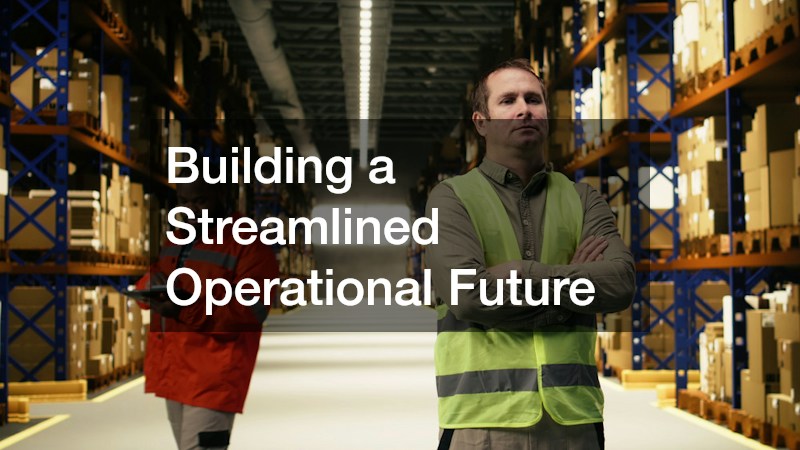
Managing complex supply chain logistics requires more than just optimizing inventory levels and freight schedules. It demands absolute reliability from the physical facilities and mechanical systems that keep goods moving. Fragmented vendor management exposes industrial operations to unnecessary downtime, inflated maintenance costs, and operational bottlenecks.
