
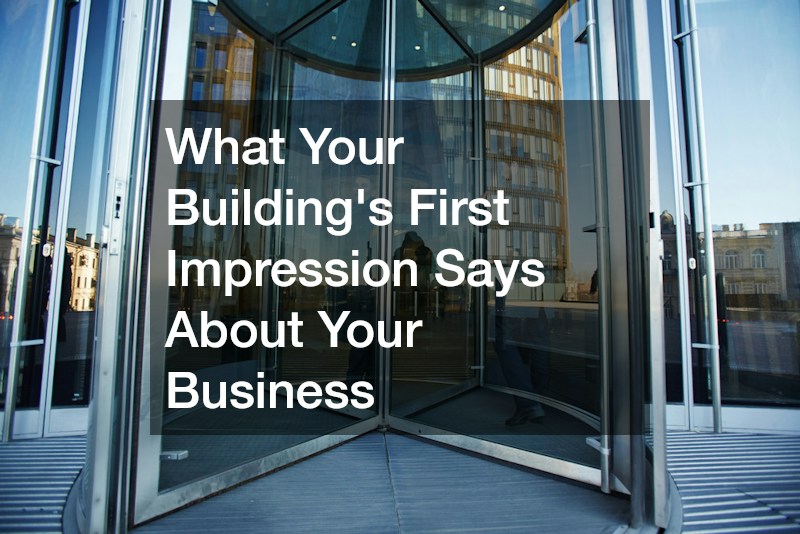
Before a customer ever walks through your door or picks up the phone, they have already formed an opinion about your business. That judgment happens in seconds, based entirely on what they see from the parking lot or sidewalk. If your building looks tired, poorly maintained, or hard to identify, potential customers may assume the same is true of your products or service. Understanding what your property communicates can help you make smarter decisions about where to invest your time and money.
Curb Appeal Sets Expectations Before Anyone Speaks to You
The exterior of a commercial property acts as a silent salesperson working around the clock, making its case before a single word is exchanged. Landscaping, paint condition, parking lot cleanliness, and overall tidiness all combine to tell visitors whether a business is thriving or struggling. Cracked pavement, faded signage, overgrown shrubs, or overflowing trash bins send a message of neglect just as loudly as a broken window would. Research on consumer behavior consistently shows that people form an opinion about a business within seconds of seeing it, often before they’ve even parked the car. That snap judgment then colors how they interpret everything that follows, from the friendliness of staff to the quality of the product itself. A well-swept entryway and fresh paint suggest attention to detail, while cluttered walkways or dead landscaping suggest a company that’s cutting corners. Customers rarely give a second chance to a property that looks neglected, especially when competitors down the street are better maintained. In competitive retail corridors or business parks, this comparison happens automatically and unconsciously — shoppers will often choose the tidier building without ever knowing why. This first visual read often determines whether someone even bothers to walk inside, meaning a company can lose business before a single sales pitch is made.
Small details add up faster than most business owners realize. Cracked pavement, faded parking lot striping, dead landscaping, or overflowing trash bins can undo the goodwill built by good products or friendly staff. Visitors form an opinion within seconds of pulling into the lot, long before they reach the front door. Consider the specific signals each detail sends. A pothole-riddled parking lot suggests deferred maintenance and can even hint at safety or liability concerns. Faded signage or a flickering exterior light implies the business itself may be outdated or struggling. Weeds pushing through sidewalk cracks or mismatched patch jobs on the exterior read as neglect, even if the inside of the building is immaculate. Regular walkthroughs of your own property, viewed as if you were a first-time visitor, can reveal problems you have stopped noticing. Try walking the exterior monthly with a simple checklist covering pavement condition, lighting, signage, landscaping, and trash areas. Photographing the property from a visitor’s approach angle can also help you spot issues your eyes have grown used to ignoring. Budgeting for small, frequent fixes is usually cheaper than waiting for one large overhaul. A $200 restriping job or a weekend of pressure-washing often prevents the kind of visible decline that quietly costs far more in lost customer confidence.
- Overgrown landscaping or dead plants near the entrance — weeds in flower beds or browning shrubs suggest neglect before a visitor even reaches the door
- Faded or peeling exterior paint, especially around doors, trim, and signage where wear is most visible
- Litter or debris in parking areas, including cigarette butts, cracked pavement, or faded parking lines
- Burned-out exterior lighting fixtures, which signal disrepair and create safety concerns for evening visitors
- Unclear or missing directional signage for visitors, forcing guests to guess where to park or enter
- Dirty or streaked windows and glass doors that make the whole facade look neglected
- Rusted or damaged handrails, doormats, or entryway hardware that visitors touch first
- Inconsistent or outdated branding on exterior signs compared to your current logo or colors
Clear Identification Helps Customers Find and Trust You
A building that is hard to identify creates friction before a customer relationship even starts. People searching for a specific business want confirmation, at a glance, that they have arrived at the right place. Well-designed custom business signs remove that hesitation by clearly displaying your name, logo, and branding in a way that matches the professionalism customers expect. Signage that looks dated or is missing letters sends the opposite message, suggesting a business that has not kept up with its own upkeep, let alone its industry.
Beyond simple identification, signage also shapes perception of quality and price point. A polished, well-lit sign suggests an established, trustworthy operation, while a hand-painted or damaged one can make even a great business look questionable. Investing in updated exterior signage is one of the most visible and cost-effective ways to refresh how your building presents itself to the public.
Roof Condition Reveals More Than You Might Expect
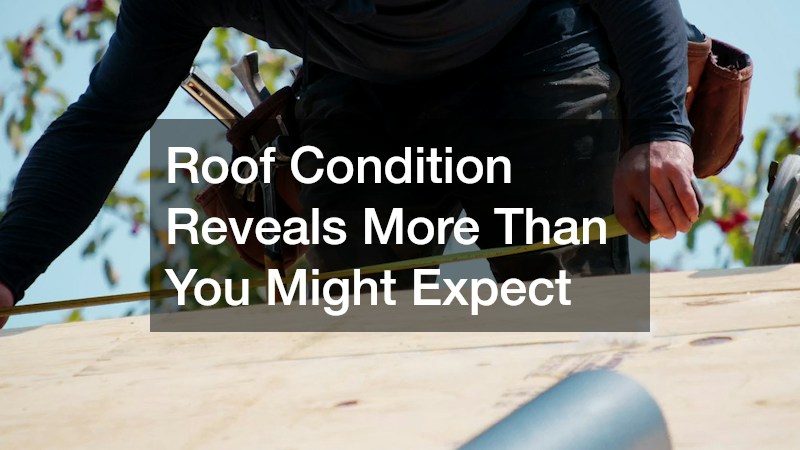
Most customers never look up, but a sagging, stained, or patched roofline is noticeable even from the ground, and it quietly signals deferred maintenance. Visible damage on a commercial roof can suggest that a business is cutting corners in ways that might extend to other areas, including product quality or safety standards. Roof problems also have a habit of getting worse quickly, turning a cosmetic concern into a costly structural one.
Working with experienced commercial roofers for regular inspections helps catch minor issues, like small leaks or worn flashing, before they become visible eyesores or expensive emergencies. A roof in good condition protects the building’s interior, but it also protects the impression the exterior gives to everyone who drives by. Scheduling inspections after major storms or seasonal changes is a simple habit that pays off in both appearance and longevity.
- Visible sagging or uneven rooflines
- Water stains near gutters or downspouts
- Missing or curling shingles on sloped roofs
- Ponding water on flat commercial roofs
- Moss or algae growth in shaded areas
Entryways and Windows Shape a Visitor’s First Steps
The path from parking lot to front door is where first impressions solidify into decisions. Smudged glass doors, broken handles, or entryways cluttered with old flyers make a business feel unwelcoming before a customer even steps inside. Clean windows and a well-maintained entrance signal attentiveness and pride in the space, which customers subconsciously extend to their expectations of service.
Lighting around entryways matters just as much during evening hours as visual cleanliness does during the day. A well-lit entrance feels safer and more inviting, encouraging visitors to approach rather than hesitate. Simple upgrades, like replacing outdated fixtures or adding motion-activated lighting, can make an entrance feel modern without a major renovation.
Comfortable Indoor Climate Keeps Customers at Ease
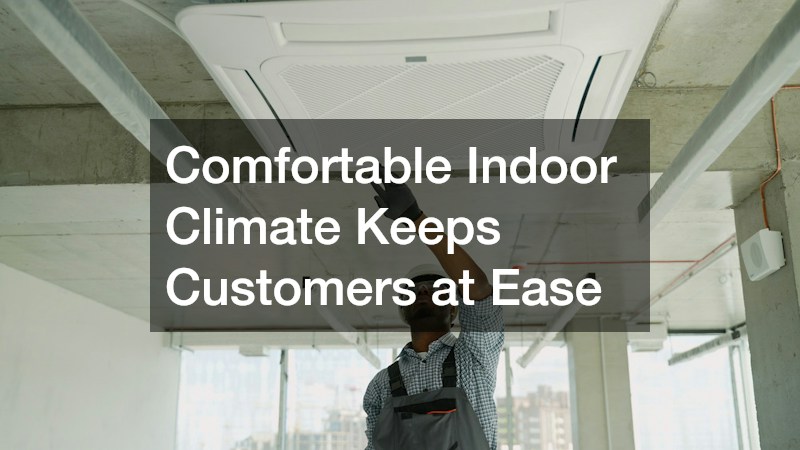
A building’s first impression does not end at the front door. Walking into a space that is too hot, too cold, or smells stale can undo all the goodwill created by an attractive exterior. Consistent indoor comfort depends heavily on equipment that is running properly, which is why commercial HVAC preventative maintenance plays such an important role in the customer experience. A well-maintained system also tends to run more quietly and efficiently, avoiding the distracting hum or rattle of neglected equipment.
Beyond comfort, climate control affects air quality, which visitors notice even if they cannot pinpoint why a space feels pleasant or stale. Scheduling routine service checks helps identify small issues, like clogged filters or worn belts, before they turn into system failures during peak business hours. Businesses that prioritize this kind of upkeep often find it cheaper in the long run than emergency repairs during extreme weather.
- Inconsistent temperatures between rooms
- Unusual noises from vents or units
- Musty or stale odors near air returns
- Higher than expected utility bills
- Visible dust buildup around vents
Interior Cleanliness Reinforces the Promise of the Exterior
Once a customer steps past the entryway, cleanliness becomes the next test of whether the exterior’s promise holds true. Dusty shelves, sticky floors, or cluttered checkout counters contradict a polished storefront and create doubt about overall business standards. Consistent cleaning schedules, rather than occasional deep cleans, tend to keep spaces looking presentable day to day.
Employees also notice when their workspace is neglected, and that can affect morale and customer interactions. A clean, organized interior supports both the customer experience and staff productivity, making it a worthwhile investment beyond appearances alone.
Roof and Exterior Upkeep Protect Long-Term Property Value
Thinking about building maintenance as a long-term investment, rather than a reactive expense, changes how business owners prioritize repairs. Deferred maintenance on major systems like commercial roofing tends to compound over time, turning a manageable repair into a full replacement. Property value, insurance considerations, and lease negotiations can all be affected by the visible and structural condition of a building.
Setting aside a maintenance budget and calendar, rather than waiting for visible problems, keeps small issues from becoming expensive surprises. This proactive approach also means a business is rarely caught off guard by an inspection or a sudden failure during a busy season. Treating the building as a long-term asset pays dividends in both appearance and financial stability.
Your building is making an argument about your business every single day, whether or not you are actively managing that message. Taking a fresh, honest look at your property, from the parking lot to the thermostat, is the first step toward aligning appearance with the quality you actually deliver. Start with a simple walkthrough this week, note what needs attention, and prioritize the fixes that will have the biggest impact on how customers perceive you. Small, consistent investments in your building’s condition will pay off in trust, first impressions, and ultimately, your bottom line.
