
Industrial manufacturing operations spend vast resources optimizing Tier-1 vendor relationships, negotiating bulk material contracts, and deploying sophisticated enterprise resource planning systems. Despite these investments, supply chain disruptions and operational halts continue to plague the sector with alarming frequency. When executives analyze root causes after an unplanned shutdown or severe production delay, the failure rarely stems from a primary supplier failing to deliver core raw materials like raw steel or resin. Instead, critical breakdowns almost always originate in overlooked operational pockets—low-visibility component streams, facility maintenance oversights, unmonitored plant infrastructure, and human capital safety gaps. Unplanned downtime across industrial operations costs hundreds of thousands of dollars per hour on average, transforming secondary operational oversights into major balance-sheet threats.
Globalized supply chains and lean manufacturing philosophies have streamlined margins, but they have also eliminated operational buffer zones. A single missing wear item or an unexpected electrical failure in a secondary facility system can trigger a domino effect across an entire plant floor. Furthermore, the modern manufacturing environment relies on interconnected systems where digital assets, mechanical tools, and trade services must operate in total synchronization. By examining operational risk through a holistic lens, business leaders can identify overlooked vulnerabilities before they escalate into catastrophic bottlenecks.
Neglecting Wear Parts and Auxiliary Sourcing
A major blind spot in manufacturing risk management lies in the procurement strategy for auxiliary machinery and wear-and-tear replacement items. While purchasing teams rigorously audit primary assembly components, consumable components and secondary equipment replacement parts are frequently left to reactive local purchasing or single-source suppliers. This creates an asymmetric risk profile where multi-million dollar production lines sit idle due to stockouts of relatively low-cost hardware.
High-Frequency Wear Items in Heavy Duty Operations
In earthmoving, construction equipment, and heavy industrial vehicle manufacturing, high-wear steel components suffer continuous friction and abrasion during daily usage. Ground-engaging tools such as cutting edges mounted on excavator buckets or grader blades require regular replacement to preserve structural integrity and engine efficiency. When supply chains fail to maintain safety stock for these wear surfaces, heavy machinery fleets experience prolonged downtime, paralyzing downstream material handling and site prep operations. Procurement teams often assume these components are universally available, yet regional localized shortages or sudden spikes in raw steel pricing can choke off supply channels without warning.
Critical Engine Components and Vehicle Subsystems
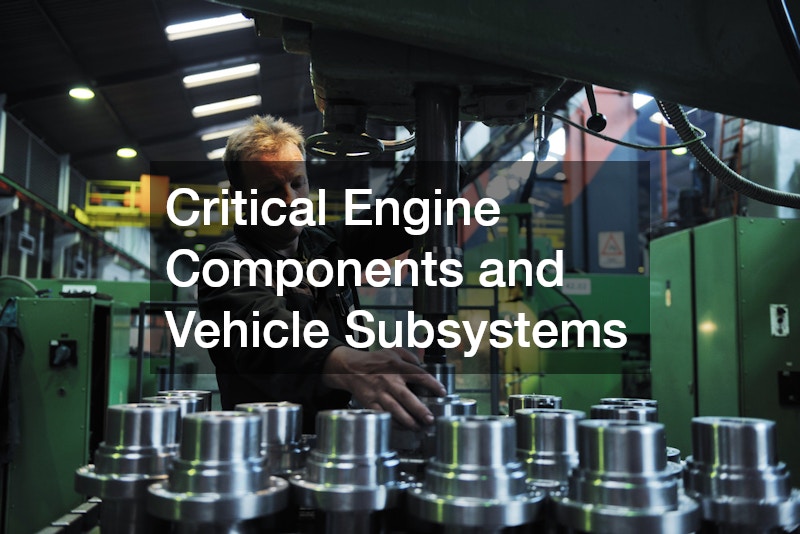
Similarly, mobile plant equipment—including wheel loaders, tow tractors, and mobile yards—relies on heavy-duty engine assemblies that require rapid-replacement components. Sourcing high-torque starter motors is often treated as a transactional, off-the-shelf purchase rather than a strategic supply risk. When global supply chain bottlenecks hit secondary automotive or heavy equipment parts distributors, a facility can find dozens of critical transport vehicles immobilized simply because replacement starter motors are backordered. The cascading impact forces operations to rely on manual material handling or rented equipment, multiplying operational costs exponentially.
Specialized Attachments and Modular Tooling
Industrial facilities increasingly leverage multi-use machinery to handle diverse plant functions. Compact track loaders and skid steers represent versatile workhorses across raw material yards, but their utility depends entirely on specialized tooling. Sourcing a skid steer attachment—such as a hydraulic breaker, sweeper, or pallet fork—often involves niche manufacturers with extended lead times. Failing to integrate these specialized attachment suppliers into primary vendor risk assessments leaves facilities vulnerable to unexpected operational stalls when a work tool breaks down during heavy utilization. Without secondary sourcing options for specialized work tools, entire material processing cells can be forced into unexpected hiatuses.
Inadequate Facilities Maintenance and Environmental Controls
While production line machinery receives rigorous preventive maintenance tracking, building systems and environmental controls are routinely neglected until a catastrophic failure occurs. Facility risk management must account for the physical plant environment, as temperature fluctuations, air quality issues, and power supply interruptions directly affect machine tolerances, employee health, and output quality.
Environmental Control and Ductwork Integrity
Airflow management within high-precision manufacturing plants directly impacts worker safety and equipment performance. Dust collection systems, fume extraction hoods, and HVAC ductwork accumulate debris and sustain minor physical damage over years of operation. Leaving air duct repair and sealing off the preventive maintenance calendar leads to subtle, costly liabilities. Compromised duct joints cause significant energy loss as conditioned air escapes into unconditioned spaces, while reduced negative pressure in containment zones allows airborne contaminants to settle on delicate electronic sub-assemblies. Furthermore, inadequate particulate filtration can lead to immediate non-compliance with occupational safety standards. Addressing air duct repair and sealing proactively ensures consistent atmospheric control throughout sensitive production environments, preventing compounding costs in utility overhead and cleanroom contamination.
Specialized Thermal Control and Process Cooling
Process-critical cooling systems represent another high-risk, low-visibility operational area. Manufacturing processes involving chemical synthesis, composite curing, or raw material storage require precise temperature management. Relying on basic building maintenance personnel to manage specialized process cooling units often results in improper diagnostic procedures. Contracting a qualified commercial refrigeration service guarantees that process chillers, environmental chambers, and walk-in cold storage facilities maintain tight thermal boundaries. Without a dedicated commercial refrigeration service agreement, a sudden refrigerant leak or compressor failure can destroy high-value chemical inventories and stall dependent production lines for weeks, creating immediate material write-offs.
Electrical Infrastructure and Skilled Trade Support
Plant electrical architecture is often taken for granted until a circuit breaker trips or a high-voltage busbar overheats under peak load. Modern manufacturing facilities feature complex, three-phase power systems, automated control panels, and high-density distribution networks. Managing these systems requires specialized technical expertise. Facilities that attempt to stretch internal maintenance teams beyond their capabilities frequently misdiagnose underlying power quality issues like voltage sags, harmonics, and phase imbalances. Partnering with a licensed commercial electrician provides industrial plants with master-level diagnostic capabilities, enabling thorough thermographic imaging, panel upgrades, and code compliance audits that prevent catastrophic electrical fires and prolonged plant blackouts.
Material Handling Risks and Human Capital Safety Gaps
Internal logistics and material movement within a manufacturing facility present severe risk profiles that extend beyond simple machine reliability. Human factor errors, uncalibrated lifting systems, and safety compliance failures routinely disrupt operations and expose companies to massive legal and financial liabilities.
Comprehensive Operator Education and Workplace Safety
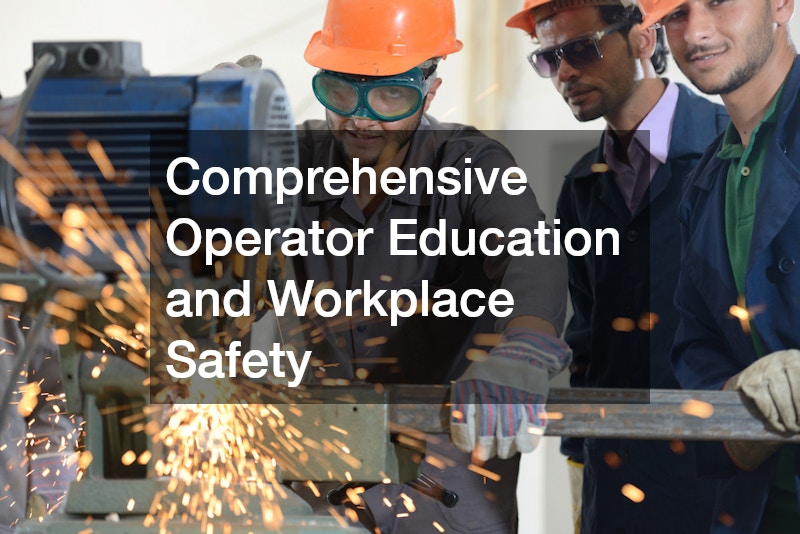
Powered industrial trucks represent the backbone of warehouse logistics and raw material transport. However, high turnover rates and rapid hiring pushes often lead to rushed onboarding procedures. Cutting corners on forklift training creates immediate operational hazards across several functional areas. In warehouse logistics, untrained operators trigger rack strikes, tipping accidents, and severe product damage, which must be counteracted by structured, OSHA-compliant training refreshers. For pedestrian safety in high-traffic production aisles, properly trained drivers avoid collisions when paired with designated transport lanes and motion-activated sensors. Finally, fleet management suffers through accelerated vehicle wear, brake failures, and hydraulic leaks unless daily pre-shift inspection protocols are strictly enforced by well-trained personnel. Comprehensive forklift training programs protect personnel, lower insurance premiums, and minimize inventory loss caused by material handling mishaps.
Structural Lifting Systems and Operational Safety
For heavy fabrication, automotive assembly, and foundry operations, moving multi-ton steel plates or completed machinery requires vertical lift capability. Systems such as overhead cranes require rigorous daily checks and periodic structural inspections. Overlooking hoist cable wear, limit switch calibration, or runway alignment on overhead cranes creates existential workplace risks. A structural failure in a heavy hoist not only damages critical product assets but risks catastrophic injury to floor personnel. Integrating overhead cranes into dynamic asset monitoring software ensures that load cycles, hook inspections, and structural strain metrics are logged accurately, driving predictive maintenance rather than reactive repair.
Process Technology and Auxiliary Equipment Management
Beyond heavy machinery and primary production lines, specialized sub-process equipment plays a vital role in maintaining production velocity. Industrial risk managers must track small, critical process devices that operate behind the scenes, as well as the overarching software platforms that monitor site utilities.
Vacuum Technology in Continuous Manufacturing
Vacuum systems represent a classic example of hidden single-point dependencies. Whether used for automated pick-and-place material handling, vacuum degassing in composite molding, or maintaining pressure differentials in cleanrooms, a vacuum pump is frequently the silent heart of an automated process step. Because these units often run quietly in utility closets or beneath production tables, fluid levels and filter degradation go unnoticed. A sudden drop in performance from an unmaintained vacuum pump can halt an entire automated packaging line or compromise the structural density of molded composite parts. Establishing regular diagnostic checks for mechanical seal wear and fluid degradation prevents unseen vacuum drops from corrupting end-product tolerances.
Utility Asset Visibility and Energy Grid Monitoring
Industrial manufacturers operating large campus facilities face significant challenges in managing high-voltage electrical assets, transformers, substations, and private energy distribution networks. Gaining visibility into these infrastructure assets requires enterprise-level digital tools. Integrating electric utility asset management software gives facility directors real-time insights into transformer health, line loading, and outage risks across corporate campuses. By deploying electric utility asset management software, organizations can transition from reactive repair models to condition-based monitoring, predicting electrical grid failures before they interrupt critical manufacturing operations. These centralized dashboards allow operations managers to prioritize capital expenditures based on actual wear and load stress rather than arbitrary age limits.
Strategic Frameworks for Mitigating Unseen Operations Risks
To address these interconnected operational blind spots, forward-thinking manufacturing leadership must build a robust risk management architecture that spans procurement, facilities management, and human capital safety. Establishing a comprehensive risk audit serves as the foundational starting point, which branches directly into three key operational pillars. Procurement teams must actively audit wear items, evaluate sub-tier suppliers, and manage specialized attachments. Simultaneously, facility teams need to monitor HVAC systems, ductwork, cooling units, and power grid stability. Finally, human capital initiatives must prioritize safety certifications and continuous equipment monitoring to maintain operational continuity.
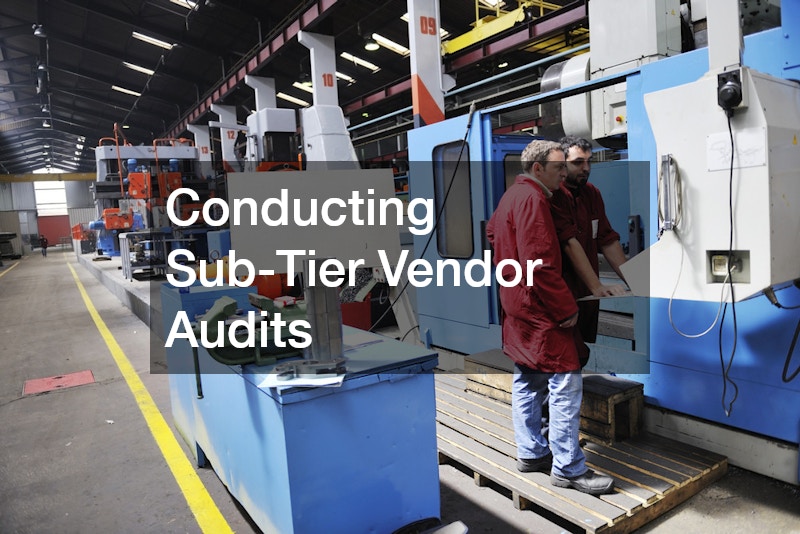
Conducting Sub-Tier Vendor Audits
Expand procurement risk assessments beyond primary suppliers. Map out Tier-2 and Tier-3 suppliers for specialized wear parts, engine replacement components, and modular machine attachments. Establish multi-sourcing arrangements for critical consumable items to prevent localized supply shocks from halting operations. Building regional safety stocks of high-turnover replacement parts protects production schedules from global shipping delays.
Implementing Condition-Based Facility Maintenance
Shift facility infrastructure from calendar-based maintenance to condition-based monitoring. Utilize thermal imaging for electrical distribution boards, pressure-differential sensors for ductwork efficiency, and continuous oil analysis for high-duty pumps and process refrigeration compressors. Leveraging internet-of-things sensors across secondary plant systems ensures maintenance staff receives automated alerts before minor component friction translates into complete facility shutdowns.
Institutionalizing Safety and Human Capital Development
Treat safety training as a core operational strategy rather than a compliance obligation. Regular operator certification programs for lifting systems and powered industrial trucks directly correlate with reduced equipment downtime, lower repair costs, and higher worker retention. Cross-training employees on pre-shift inspections creates a cultural environment where physical asset degradation is caught early by front-line staff.
When organizations view safety education merely as an annual box-checking exercise for regulatory bodies, they miss a profound opportunity to enhance operational efficiency. In high-throughput industrial environments, the frontline workforce interacts continuously with heavy machinery, complex material handling systems, and intricate facility infrastructure. An operator who is thoroughly trained in equipment mechanics and dynamic load handling does far more than simply prevent catastrophic workplace injuries; they actively preserve capital assets. Proper driving techniques reduce unnecessary wear on hydraulics, transmissions, and tires, while correct hoist handling eliminates structural stress on overhead lifting assemblies.
Furthermore, expanding training frameworks beyond basic operational controls to encompass comprehensive diagnostic awareness transforms every worker into a vigilant site monitor. When operators understand the precise physics of their machinery and the early warning signs of component fatigue, minor anomalies—such as abnormal motor vibrations, subtle fluid leaks, or frayed lift cables—are flagged during pre-shift walkarounds rather than after an in-service breakdown. This proactive reporting drastically cuts unplanned maintenance spend, minimizes product damage during transport, and prevents cascading disruptions across dependent manufacturing cells.
Ultimately, investing deeply in human capital safety cultivates an organizational culture built on mutual trust and accountability. Workers who feel genuinely equipped, protected, and empowered to raise safety or operational concerns demonstrate significantly higher job satisfaction and lower turnover rates. In an industrial landscape frequently challenged by skilled labor shortages, retaining experienced operators who know the nuances of the facility’s equipment is a major competitive advantage that directly protects bottom-line margins.
Bridging Information Silos Between Departments
Ensure enterprise software systems communicate effectively across departmental lines. Facility management tools, utility tracking platforms, and procurement databases should share real-time asset performance data, enabling automated reordering of critical components before failures occur. When an overhead hoist or electrical distribution panel signals an anomaly, procurement systems should automatically check inventory levels for required replacement parts, eliminating administrative lag time.
By systematically identifying and mitigating vulnerabilities in sub-tier component sourcing, facility infrastructure, process technology, and worker safety, industrial manufacturers can build resilient operational models capable of navigating global supply chain uncertainty. Addressing these often-overlooked operational corners yields dramatic improvements in uptime, worker health, and total balance-sheet performance.
