Modern construction and infrastructure depend heavily on one essential resource: metal. From structural steel in buildings to components used in energy systems, transportation, and utilities, metal is everywhere. But what keeps this system sustainable, cost-effective, and efficient is not just mining new materials—it’s the continuous cycle of reuse. Scrap metal recycling plays a central role in ensuring that valuable materials are not wasted, but instead reintroduced into the economy to support new projects.
Understanding how recycled metal flows through various industries reveals just how critical it is to construction, maintenance, and innovation. From individuals who sell junk car materials to large-scale industrial processing, the lifecycle of metal is both complex and essential.
The Foundation of a Circular Metal Economy
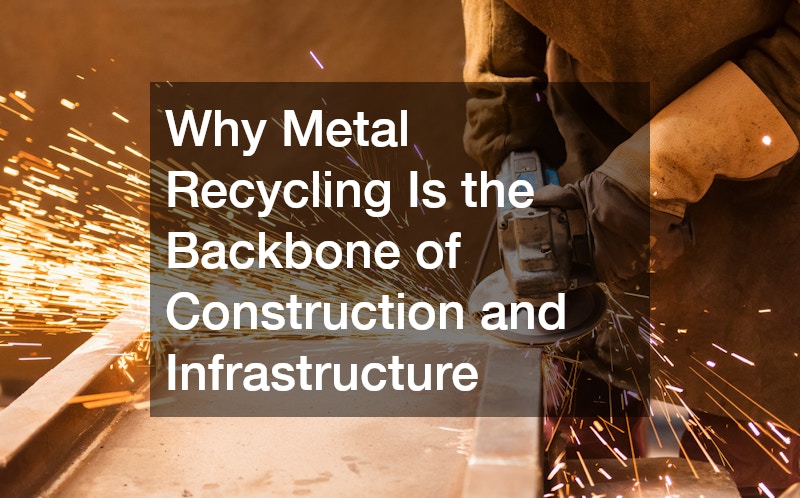
At the core of modern infrastructure lies a circular economy where materials are reused rather than discarded. Instead of relying solely on raw extraction, industries depend on recovered metal to meet demand. This approach reduces environmental impact, lowers costs, and ensures a steady supply of materials.
When someone decides to sell junk car components, they are contributing to this cycle. Old vehicles contain large amounts of steel, aluminum, and other metals that can be melted down and repurposed. These materials are then processed by a metal recycler, sorted, refined, and prepared for use in new applications.
This process not only conserves natural resources but also reduces energy consumption compared to producing metal from raw ore. As construction demands continue to grow, recycled materials provide a reliable and sustainable solution.
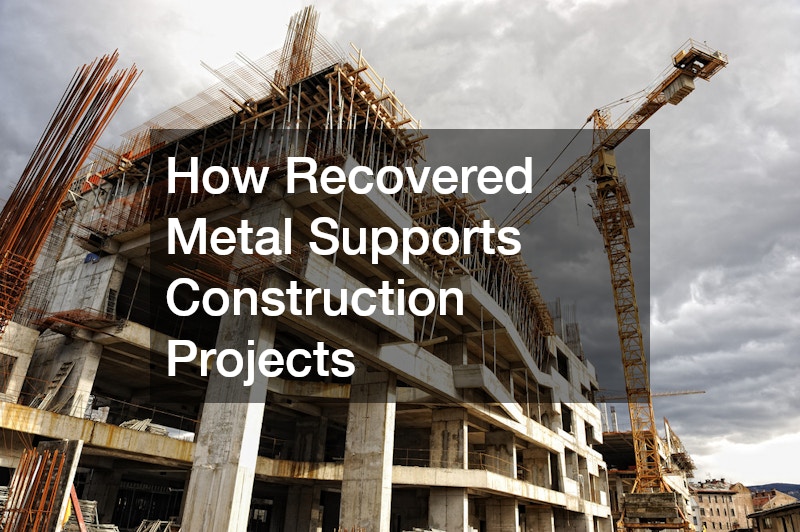
How Recovered Metal Supports Construction Projects
Construction projects rely on consistent access to high-quality materials. Recycled metal provides a dependable source for structural components, reinforcements, and specialized applications. Whether it’s beams, pipes, or fasteners, much of the metal used in construction today has already lived a previous life.
Processes like cement cutting often involve working around embedded metal reinforcements within concrete structures. These reinforcements, once removed or replaced, can be collected and reintroduced into the recycling stream. This ensures that even during demolition or renovation, valuable materials are not wasted.
Additionally, many construction companies actively partner with scrap metal recycling facilities to manage waste efficiently. This collaboration reduces landfill use and turns demolition debris into usable resources for future builds.
From Processing to Practical Applications
Once collected, scrap metal undergoes several stages of processing before it can be reused. Facilities that offer services like document shredding service often handle more than just paper. Industrial shredding equipment is capable of breaking down metal components, making them easier to sort and recycle.
After processing, these materials are distributed to manufacturers and construction firms where they are transformed into new products. The versatility of recycled metal allows it to be used in a wide range of applications, from structural frameworks to smaller components used in mechanical systems.
This adaptability is one of the reasons metal recycling is so valuable. It bridges the gap between waste and production, ensuring that materials remain in circulation rather than being discarded.
Supporting Residential and Commercial Improvements
Recycled metal plays a significant role in everyday construction and property improvements. Homeowners and businesses alike benefit from materials that are both durable and cost-effective.
For example, gutter replacements often utilize aluminum or steel that has been recycled. These materials provide long-lasting protection against water damage while also reducing the environmental footprint of the project.
Similarly, various building systems and exterior components rely on recycled metal for strength and resilience. By incorporating reused materials, contractors can deliver high-quality results while keeping costs manageable.
Beyond gutters, recycled metals are commonly used in roofing, siding, and structural reinforcements in both residential and commercial properties. As more builders prioritize sustainability certifications and eco-friendly practices, recycled materials are becoming a standard rather than an alternative option.
In roofing applications, recycled metal panels offer exceptional durability and resistance to extreme weather conditions, including heavy rain, snow, and high winds. These materials also reflect heat more effectively than many traditional roofing options, improving energy efficiency and helping property owners reduce cooling costs during warmer months. This added performance makes recycled metal roofing an attractive long-term investment.
Siding systems also benefit from recycled metal, particularly in commercial buildings where longevity and minimal maintenance are key priorities. Metal siding resists corrosion, pests, and fire, providing an extra layer of protection while maintaining a modern appearance. Because it can be manufactured using recycled content, it aligns with sustainability goals without compromising on quality or aesthetics.
Inside structures, recycled metal is frequently used for framing, support beams, and fasteners. These components are essential to maintaining structural integrity, and recycled materials meet the same strength standards as newly produced metal. This allows builders to confidently incorporate reused materials into critical areas of construction.
Additionally, renovation and remodeling projects often rely on recycled metal for upgrades and replacements. Whether updating an aging property or expanding an existing structure, contractors can source recycled materials that match performance requirements while reducing overall project costs.
As awareness of environmental impact continues to grow, more property owners are actively seeking construction solutions that balance performance with sustainability. Recycled metal provides that balance, offering a reliable, efficient, and environmentally responsible option for a wide range of building applications.
Agricultural and Energy Applications
Beyond traditional construction, recycled metal is essential in agricultural and energy-related projects. Structures like hoop building systems depend on metal framing to provide stability and durability. These structures are widely used in farming to protect crops and extend growing seasons.
In the energy sector, aeration windmills are another example of how recycled metal contributes to sustainable solutions. These systems help improve water quality in ponds and lakes by increasing oxygen levels. The metal components used in their construction often come from recycled sources, demonstrating how the material lifecycle supports environmental initiatives.
In both agriculture and energy, durability is key. Recycled metals retain their strength and performance, making them a practical choice for long-term installations that must withstand environmental stress.
In agricultural settings, metal is constantly exposed to moisture, temperature fluctuations, and physical wear from equipment and livestock. Recycled steel and aluminum perform exceptionally well under these conditions, offering resistance to rust and structural fatigue when properly treated. Farmers benefit from materials that require minimal maintenance while delivering consistent performance over time, especially in structures that are used year-round.
Additionally, irrigation systems, fencing, and storage units often incorporate recycled metal components. These elements are critical to daily farm operations, and using recycled materials helps reduce costs without sacrificing reliability. As farms scale their operations or modernize their facilities, the availability of recycled metal ensures that expansion remains both affordable and sustainable.
In renewable energy applications beyond wind-powered aeration, recycled metal is also used in mounting systems, support frames, and protective enclosures. These components must endure continuous exposure to the elements, including wind, rain, and sunlight. The strength and adaptability of recycled metal make it well-suited for these demanding environments.
There is also a growing emphasis on sustainability in both agriculture and energy production. Farmers and landowners are increasingly adopting practices that reduce environmental impact, and using recycled materials aligns with these goals. By incorporating reused metal into their infrastructure, they contribute to a broader effort to conserve resources and minimize waste.
Ultimately, the use of recycled metal in these sectors highlights its versatility and long-term value. Whether supporting crop production or enhancing water quality through energy systems, recycled materials provide a dependable foundation for projects that are built to last.
Environmental Services and Infrastructure Maintenance
Maintaining infrastructure requires ongoing inspection, repair, and replacement of metal components. Services such as oil tank services involve working with large metal storage systems that may need to be repaired, upgraded, or removed.
When tanks are decommissioned, the metal can be recovered and recycled rather than left to deteriorate or occupy landfill space. This not only prevents environmental hazards but also contributes valuable material back into the supply chain.
Recycling in this context supports both safety and sustainability, ensuring that infrastructure remains reliable while minimizing waste. The same applies to pipelines, industrial machinery, and storage systems that eventually reach the end of their lifecycle.
In many cases, aging infrastructure poses risks if not properly maintained. Corrosion, leaks, and structural weakening can lead to costly damage or environmental contamination. By removing outdated components and recycling the metal, companies can mitigate these risks while also recovering usable materials. This proactive approach not only improves safety standards but also supports responsible resource management.
Industrial sites, in particular, benefit from systematic recycling practices. Facilities that rely on heavy machinery often generate significant amounts of scrap during upgrades or replacements. Instead of discarding worn-out parts, these materials can be collected, processed, and repurposed into new equipment or structural components. This creates a continuous loop where materials are reused rather than wasted.
Transportation infrastructure also plays a role in this cycle. Bridges, rail systems, and road reinforcements often contain large quantities of metal that eventually require replacement. When these materials are removed, they can be sent to recycling facilities and transformed into new construction materials. This helps offset the cost of large-scale infrastructure projects while reducing the demand for newly mined resources.
Additionally, regulatory requirements are increasingly pushing industries toward more sustainable practices. Proper disposal and recycling of metal components are often mandated to prevent environmental harm. Companies that integrate recycling into their maintenance strategies not only stay compliant with regulations but also demonstrate a commitment to sustainability.
Overall, the integration of recycling into infrastructure maintenance ensures that systems remain safe, efficient, and environmentally responsible. By treating end-of-life materials as valuable resources rather than waste, industries can extend the lifecycle of metal and support a more sustainable future.
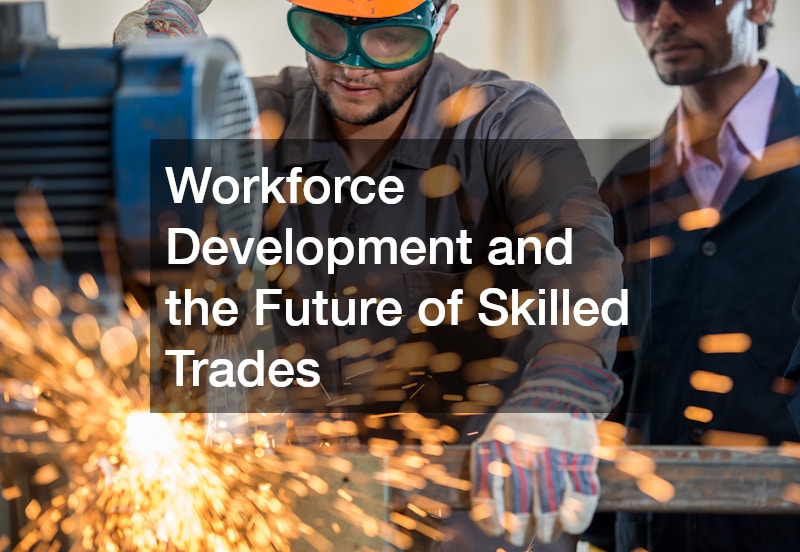
Workforce Development and the Future of Skilled Trades
As the demand for recycled materials grows, so does the need for skilled workers who can process, fabricate, and install metal components. A local welding apprenticeship plays a crucial role in preparing the next generation of tradespeople.
These programs often incorporate real-world experience, including working with materials sourced from scrapped or decommissioned projects. Apprentices learn how to take previously used metal and transform it into functional, high-quality components for new construction.
Recycling also provides an accessible entry point for training. Instead of relying solely on new materials, apprentices can practice techniques on reclaimed metal, gaining valuable skills while reducing waste. Scrapped beams, frames, and components from past projects become hands-on learning tools, reinforcing both craftsmanship and sustainability.
Looking ahead, the integration of recycling into workforce development will be essential. As industries continue to prioritize sustainability, skilled workers who understand how to work with recycled materials will be in high demand. This connection between training and reuse ensures that both the workforce and the materials themselves are part of a long-term, sustainable cycle.
Economic Benefits of Recycling Metal
In addition to environmental advantages, metal recycling offers significant economic benefits. By reducing the need for raw material extraction, companies can lower production costs and pass those savings on to consumers.
The recycling industry also creates jobs across multiple sectors, from collection and processing to manufacturing and construction. Facilities that handle scrap metal recycling and related services contribute to local economies while supporting broader infrastructure development.
Furthermore, businesses that partner with a metal recycler can generate revenue from materials that would otherwise be considered waste. This creates a financial incentive to prioritize recycling and adopt more sustainable practices.
Reducing Environmental Impact
One of the most compelling reasons to prioritize metal recycling is its positive impact on the environment. Producing metal from recycled materials requires significantly less energy than processing raw ore, resulting in lower greenhouse gas emissions.
Additionally, recycling reduces the need for mining, which can have detrimental effects on ecosystems and natural landscapes. By reusing existing materials, industries can minimize their environmental footprint while still meeting demand.
The process also helps reduce landfill waste. Instead of discarding metal components, they are reintroduced into the production cycle, conserving space and resources.
The Ongoing Journey of Metal in a Built World
Metal never truly reaches an endpoint—it simply changes form. A vehicle that is no longer drivable becomes raw material for future construction. A dismantled structure feeds the next generation of buildings. Even small components, once removed during repairs or upgrades, can find new purpose in entirely different industries.
This constant transformation is what makes metal so valuable. It connects industries that might otherwise seem unrelated, from agriculture and energy to residential construction and environmental services. Each stage of the cycle supports the next, creating a system where waste is minimized and opportunity is maximized.
As infrastructure continues to evolve, the reliance on recycled materials will only deepen. The strength of future buildings, the efficiency of new energy systems, and the sustainability of growing communities will all depend on how effectively materials are reused today.
In many ways, metal recycling is not just supporting construction—it is quietly shaping the future of how everything is built.