
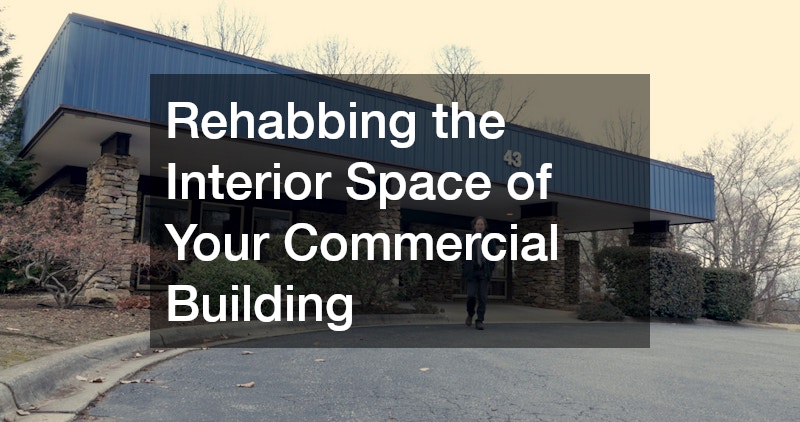
Rehabbing the interior space of a commercial building is a strategic investment that can improve functionality, comfort, energy efficiency, and long-term property value. Whether revitalizing an aging office, transforming a retail storefront, or modernizing a mixed-use facility, interior rehabilitation requires thoughtful planning and coordination between multiple building systems. Integrating upgrades such as commercial insulation, commercial window treatments, and modern mechanical systems helps create a productive and visually appealing environment that meets the evolving needs of employees and customers.
Successful rehabilitation projects focus on balancing aesthetic improvements with operational efficiency. Updating interior components like an architectural metal panel system, hiring a qualified commercial plumber, and maintaining reliable commercial hvac systems can significantly enhance building performance. Security improvements such as locksmith services, pest prevention strategies supported by a pest control service, and consistent sanitation performed by a commercial cleaner also play crucial roles in maintaining a professional business space. Additionally, installing an impact sliding glass door can enhance both security and design appeal. Understanding how these elements work together helps property owners make informed decisions that support business growth and tenant satisfaction.
Why Commercial Insulation Is Important for a Building
Understanding the Basics of Commercial Insulation
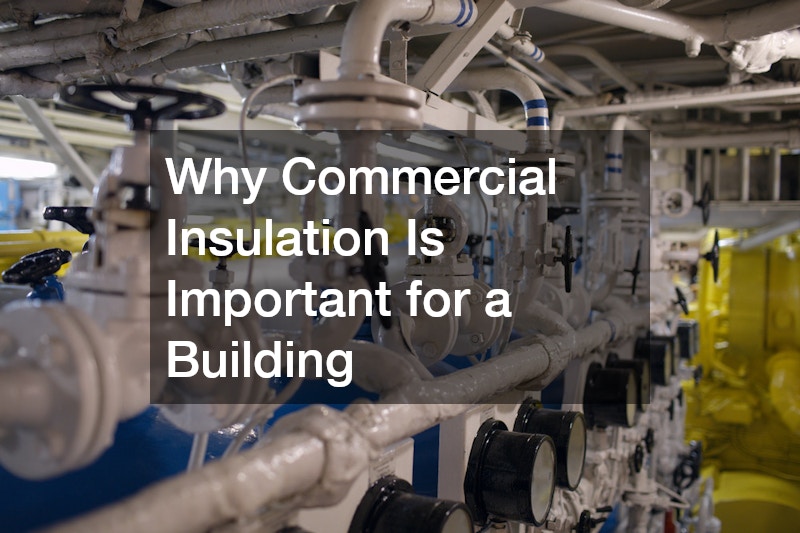
Commercial insulation serves as one of the most essential components of an energy-efficient building. Proper commercial insulation regulates indoor temperatures by reducing heat transfer between the building interior and exterior environment. Large commercial properties often experience temperature fluctuations due to occupancy levels, equipment operation, and building design. Installing high-quality commercial insulation helps maintain consistent indoor conditions that support comfort and operational efficiency.
Commercial insulation is typically installed in walls, ceilings, mechanical rooms, and flooring systems. Each installation area contributes to the overall thermal performance of the structure, helping reduce strain on heating and cooling equipment.
Benefits of Energy Efficiency and Cost Savings
The primary advantage of commercial insulation is improved energy efficiency. Buildings with adequate insulation require less energy to maintain comfortable temperatures, resulting in lower utility expenses. Reduced energy consumption also supports environmental sustainability initiatives and helps businesses meet green building standards.
Energy savings associated with commercial insulation often accumulate over time, providing a strong return on investment. Additionally, well-insulated spaces reduce temperature inconsistencies that can impact employee productivity and customer comfort.
Types of Insulation Materials Available
Various materials are used for commercial insulation, including fiberglass batts, spray foam, rigid foam boards, and mineral wool. Spray foam insulation offers exceptional air sealing capabilities and is particularly effective in areas where air leakage is common. Rigid foam boards provide high thermal resistance while maintaining structural integrity in tight spaces.
Selecting the appropriate commercial insulation material depends on building structure, climate conditions, and performance goals. Each option offers unique benefits that support different commercial applications.
How to Choose the Right Insulation for Your Building
Choosing the correct commercial insulation requires evaluating building size, occupancy patterns, and long-term energy efficiency goals. Consulting experienced contractors ensures proper material selection and installation methods that meet building codes and performance standards.
Common Mistakes to Avoid With Insulation
Improper installation can significantly reduce insulation effectiveness. Gaps, moisture intrusion, and insufficient coverage may compromise performance and increase energy costs. Regular inspections help ensure commercial insulation continues to function as intended and prevents structural damage caused by moisture buildup.
How to Select the Right Commercial Window Treatments
Overview of Commercial Window Treatments
Commercial window treatments offer a combination of functional and aesthetic benefits that enhance interior spaces. Installing commercial window treatments allows businesses to regulate natural light, improve privacy, and reduce heat gain from sunlight. These treatments can significantly contribute to maintaining energy efficiency while improving interior design.
Factors to Consider in Selection
Selecting the best commercial window treatments involves evaluating sun exposure, privacy requirements, building orientation, and maintenance needs. Offices and retail spaces often benefit from adjustable treatments that provide flexibility throughout the day.
Top Window Treatment Options
Popular commercial window treatments include roller shades, vertical blinds, solar screens, and motorized systems. Automated window treatments can integrate with building management systems to optimize energy efficiency and provide convenient operation.
Installation and Maintenance Tips
Professional installation ensures commercial window treatments function smoothly and align properly with window structures. Routine maintenance, including cleaning and system inspections, extends product lifespan and preserves performance.
Cost Implications of Window Treatments
The cost of commercial window treatments varies depending on materials, automation features, and customization options. While advanced systems may require higher initial investment, their energy-saving benefits often offset long-term operational costs.
What Are the Benefits of Using Architectural Metal Panels

Introduction to Architectural Metal Panels
An architectural metal panel is a versatile interior design element that enhances both durability and visual appeal. Many commercial renovation projects incorporate an architectural metal panel system to create modern wall coverings, ceiling accents, and decorative features that elevate interior aesthetics.
Durability and Aesthetic Value
Architectural metal panel installations provide excellent resistance to moisture, corrosion, and physical damage. Their sleek and contemporary appearance allows businesses to create professional environments that align with modern design trends.
Environmental and Cost Benefits
Many architectural metal panel products are manufactured using recyclable materials, making them an environmentally responsible choice. Their long lifespan reduces replacement frequency, helping businesses minimize maintenance expenses over time.
Customization Options
An architectural metal panel can be customized with various finishes, colors, and textures. Businesses often incorporate branded design elements into panel installations, creating unique and memorable interior environments.
Installation Considerations
Proper installation of an architectural metal panel system ensures structural stability and visual consistency. Working with experienced contractors prevents alignment issues and ensures panels remain securely attached.
Why You Need a Commercial Plumber
The Role of Commercial Plumbing
A commercial plumber plays a critical role in maintaining water supply, drainage, and sanitation systems within commercial buildings. Plumbing infrastructure supports essential operations across industries, including restaurants, healthcare facilities, and office complexes.
Identifying Plumbing Needs
Commercial properties often require customized plumbing systems tailored to industry-specific requirements. A commercial plumber can design and install specialized systems that support high water demand and compliance with building regulations.
Common Plumbing Issues in Commercial Buildings
Leaks, clogged drains, inconsistent water pressure, and aging piping systems are common challenges that require attention from a commercial plumber. Addressing these issues promptly helps prevent water damage and operational disruptions.
Choosing a Qualified Commercial Plumber
Selecting a licensed and experienced commercial plumber ensures reliable installation and maintenance services. Evaluating certifications and project experience helps identify professionals capable of handling complex commercial plumbing systems.
Maintenance Tips for Plumbing Systems
Routine inspections, preventative maintenance, and timely repairs help extend plumbing system lifespan. A commercial plumber can identify potential issues early, reducing the risk of emergency repairs and costly downtime.
How Commercial HVAC Improves Indoor Environment
The Importance of HVAC Systems
A reliable commercial hvac system is essential for maintaining indoor comfort and air quality. Commercial hvac systems regulate temperature, humidity, and ventilation, creating a healthy and productive environment for employees and customers.
Selecting the Right HVAC System
Choosing an appropriate commercial hvac system involves evaluating building size, occupancy levels, and energy efficiency goals. Modern commercial hvac systems often include zoning capabilities that allow customized temperature control throughout different areas of the building.
Benefits of Regular HVAC Maintenance
Routine maintenance improves commercial hvac system performance and extends equipment lifespan. Regular filter replacement, duct cleaning, and system inspections help maintain airflow and reduce energy consumption.
Energy Efficiency and Cost Savings
Energy-efficient commercial hvac systems help reduce operational costs while supporting sustainability initiatives. Advanced automation and smart controls allow businesses to optimize energy usage based on occupancy patterns.
Innovations in HVAC Technology
Technological advancements in commercial hvac systems include energy recovery ventilation, variable refrigerant flow technology, and advanced monitoring systems. These innovations improve efficiency and provide real-time performance data.
When You Should Call Locksmith Services

Understanding Commercial Locksmith Services
Professional locksmith services provide critical security solutions for commercial properties. Locksmith services include lock installation, access control system implementation, and emergency lockout assistance.
Situations Needing Locksmith Expertise
Businesses often require locksmith services during renovation projects, security upgrades, or after incidents that compromise building safety. Professional locksmith services help ensure secure entry points and protect valuable assets.
Benefits of Using Local Locksmiths
Working with a local locksmith provides faster response times and personalized service. A local locksmith is often familiar with regional security concerns and can recommend appropriate protection strategies.
Modern Security Solutions Available
Locksmith services now include advanced technologies such as keyless entry systems, biometric authentication, and electronic access control. These modern solutions improve building security and simplify access management.
Tips for Securing Your Commercial Building
Implementing layered security measures, scheduling routine lock inspections, and consulting a local locksmith help maintain reliable building protection. Locksmith services can also assist with upgrading outdated security systems to modern standards.
How to Deal With Pest Control Service Effectively
Identifying Common Pests in Commercial Buildings
Commercial buildings frequently encounter pests such as rodents, insects, and birds. These infestations can cause structural damage, contaminate products, and create health hazards.
Choosing a Reliable Pest Control Service
Selecting a reputable pest control service ensures safe and effective treatment methods. Professional pest control service providers conduct detailed inspections to identify infestation sources and develop targeted treatment strategies.
Preventive Measures Against Pests
Maintaining cleanliness, sealing entry points, and implementing proper waste management systems help reduce pest attraction. Partnering with a pest control service ensures preventive measures remain effective throughout the year.
Understanding Treatment Options
A pest control service may offer chemical treatments, bait systems, and environmentally friendly solutions. Treatment methods vary depending on infestation severity and industry requirements.
Maintaining a Pest-Free Environment
Routine inspections and scheduled treatments performed by a pest control service help maintain a safe and sanitary commercial environment. Employee awareness programs also support long-term pest prevention efforts.
What Is the Role of a Commercial Cleaner
Types of Cleaning Services Offered
A commercial cleaner provides essential sanitation and maintenance services that support workplace health and professional appearance. Services offered by a commercial cleaner often include routine janitorial tasks, deep cleaning, floor maintenance, and disinfecting high-traffic areas.
Choosing the Right Commercial Cleaning Company
Selecting a reliable commercial cleaner involves evaluating industry experience, certifications, and service flexibility. A professional commercial cleaner can tailor cleaning schedules to meet business operational requirements.
Benefits of Regular Cleaning Services
Regular cleaning performed by a commercial cleaner improves indoor air quality, reduces the spread of germs, and enhances employee productivity. Clean environments also create positive impressions for customers and clients.
Customized Cleaning Plans for Business Needs
A commercial cleaner can develop customized cleaning plans that prioritize specific areas and industry requirements. Tailored cleaning schedules ensure consistent sanitation without disrupting business operations.
Innovations in Commercial Cleaning
Advancements in cleaning technology allow a commercial cleaner to utilize automated equipment, eco-friendly products, and advanced disinfection methods. These innovations improve cleaning efficiency while supporting environmental sustainability.
Why Consider Installing Impact Sliding Glass Doors
Benefits of Impact Sliding Glass Doors
An impact sliding glass door offers enhanced durability, energy efficiency, and visual appeal for commercial properties. Installing an impact sliding glass door allows businesses to maximize natural light while maintaining structural strength against harsh weather conditions.
Design and Aesthetic Considerations
An impact sliding glass door creates an open and inviting environment that enhances customer experience. These doors can seamlessly connect interior spaces with outdoor areas, supporting modern architectural design.
Installation Tips and Challenges
Proper installation of an impact sliding glass door ensures smooth operation, weather resistance, and structural stability. Professional installation prevents alignment issues and ensures proper sealing.
Safety and Security Features
An impact sliding glass door incorporates reinforced glass and advanced locking mechanisms that improve building security. These safety features help protect against break-ins while maintaining transparency and accessibility.
Maintenance and Longevity of Glass Doors
Routine maintenance, including cleaning tracks and inspecting seals, helps extend the lifespan of an impact sliding glass door. Proper care ensures long-term performance and visual clarity.
How to Effectively Manage and Execute a Renovation Project

Planning and Budgeting for Renovation
Successful commercial rehabilitation begins with detailed planning and realistic budgeting. Property owners should evaluate project goals, establish timelines, and allocate resources effectively. Comprehensive planning ensures upgrades such as commercial insulation, commercial window treatments, and commercial hvac systems align with operational needs.
Hiring and Coordinating With Professionals
Commercial renovation projects often involve collaboration between contractors, designers, a commercial plumber, locksmith services, and cleaning professionals. Effective coordination ensures each phase of the project meets regulatory standards and performance expectations.
Managing Project Timelines and Resources
Maintaining organized schedules and monitoring resource allocation support efficient project completion. Clear communication between stakeholders helps prevent delays and ensures construction activities remain aligned with renovation objectives.
Handling Common Renovation Challenges
Renovation projects may encounter structural surprises, supply chain delays, or permit complications. Developing contingency plans helps property owners address unexpected challenges without compromising project quality.
Tips for a Successful Renovation Completion
Final inspections, system testing, and performance evaluations ensure renovated commercial spaces meet safety and functionality standards. Ongoing maintenance plans involving a commercial cleaner, pest control service, and local locksmith help maintain building performance long after renovation completion.
Final Thoughts
Rehabbing the interior space of a commercial building requires careful planning, skilled professionals, and strategic integration of essential building systems. Upgrading components such as commercial insulation, commercial window treatments, and commercial hvac systems improves energy efficiency and comfort. Incorporating durable design elements like an architectural metal panel and installing an impact sliding glass door enhances aesthetics and functionality. Partnering with a commercial plumber, locksmith services, pest control service providers, and a commercial cleaner ensures long-term building performance. By managing renovation projects effectively, property owners can create modern commercial spaces that support productivity, safety, and long-term success.
