

A burst pipe, a collapsed ceiling, or a slip on an icy walkway can turn into a tangle of repair bills, medical costs, and legal questions almost overnight. Most property owners and accident victims have no idea what a realistic cost breakdown actually looks like until they are standing in the middle of one. Understanding where the money goes, from emergency cleanup to structural repair to legal fees, helps you make smarter decisions under pressure. This article walks through the real expenses behind property accidents and site repairs so you can plan ahead instead of guessing.
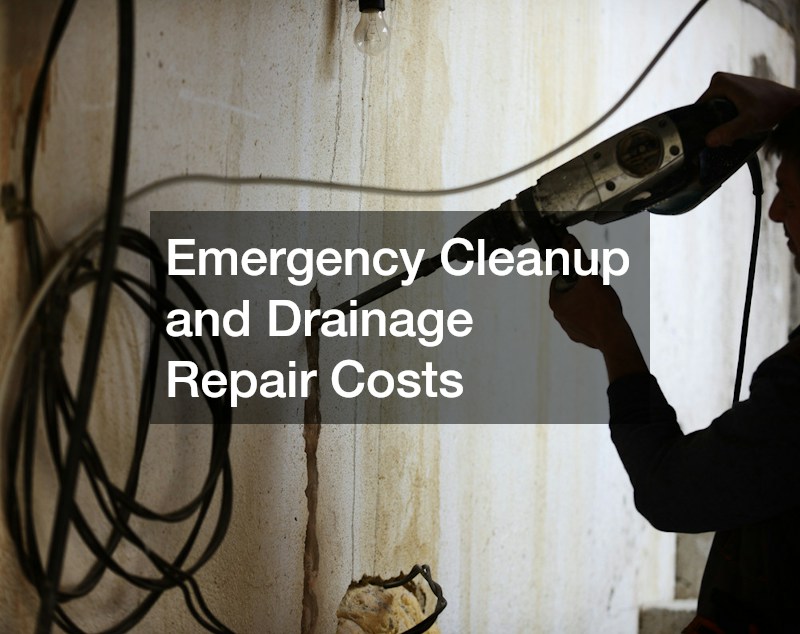
Emergency Cleanup and Drainage Repair Costs
When a property accident involves flooding, sewage backup, or standing water, the first call is usually to a cleanup crew rather than a contractor. Pricing depends heavily on the extent of water damage, the type of contamination, and how quickly the issue is addressed before mold sets in. Many property owners underestimate this phase because it happens fast and often before insurance adjusters even arrive on site.
In cases where pipes or municipal lines are the root cause, commercial drain cleaning companies are often brought in to diagnose and clear blockages before any structural repair begins. Their invoices typically include camera inspection fees, hydro-jetting charges, and a separate line item for any excavation needed to reach the damaged pipe. Skipping this diagnostic step to save money often backfires, since repeat flooding can cost far more than the inspection would have.
- Camera inspection and diagnostic fees
- Hydro-jetting or mechanical clearing charges
- Water extraction and dehumidification costs
- Mold remediation if water sat for more than 48 hours
Structural Damage Assessment and Repair Estimates
Once the immediate mess is handled, a structural engineer or contractor usually needs to assess whether the damage affects load-bearing walls, foundations, or the roofline. This step is often more expensive than people expect because it requires specialized equipment and detailed reporting for insurance claims. A thorough assessment protects you later if a dispute arises over whether the building was safe to occupy.
Repair costs scale quickly once contractors open up walls or flooring and find secondary damage that wasn’t visible at first. Homeowners and business owners alike should budget for a range rather than a fixed number, since surprises are common once demolition begins.
- Initial inspection and written damage report
- Permit fees required for structural repairs
- Material costs, which fluctuate with lumber and steel pricing
- Labor costs that rise with the complexity of the repair
Debris Removal and Dumpster Rental Pricing
Almost every significant repair job generates a surprising volume of debris, from broken drywall to shattered tile to old insulation. Renting the right size container matters because undersized units lead to overflow fees and repeated pickups that add cost over time. Many contractors include debris removal in their bid, but it pays to ask for that line item separately so you understand what you’re paying for.
For larger renovation or demolition projects, construction dumpsters are typically rented by size and by the number of pickups needed over the course of the job. Pricing usually depends on weight limits, rental duration, and local landfill disposal fees, which vary quite a bit by region. Asking for a flat-rate quote upfront can help avoid surprise charges tied to overage weight.
- Ten to twenty yard containers for smaller residential jobs
- Thirty to forty yard containers for commercial or large-scale projects
- Weight limit overage fees
- Extended rental fees if the project runs longer than planned

Rebuilding with Prefabricated and Clear Span Structures
After a significant structural failure, some property owners choose to rebuild using prefabricated steel structures rather than traditional framing. This approach is especially common for warehouses, agricultural buildings, and commercial storage facilities that need to get back in operation quickly. The upfront design and engineering costs are usually higher, but the speed of construction often offsets that difference.
Clear span buildings are popular in these rebuild situations because they eliminate interior support columns, giving owners more flexible usable space. Pricing is generally quoted per square foot and depends on width, height, and the thickness of steel used in the frame. Property owners comparing bids should ask whether the quote includes foundation work, insulation, and doors, since these are sometimes priced separately.
- Steel frame and panel costs per square foot
- Foundation and anchoring expenses
- Insulation and ventilation add-ons
- Door, window, and loading dock installation
Full and Partial Demolition Cost Factors
When damage is too extensive to repair, demolition becomes the more cost-effective path, but pricing varies enormously depending on building size, materials, and location. Older buildings often carry hidden costs tied to asbestos testing or lead paint remediation that must be resolved before any teardown begins. Property owners should always request a written scope of work so they know exactly what is included in a demolition bid.
For larger commercial sites, industrial demolition contractors typically handle permitting, utility disconnection, and debris sorting as part of their overall service. These projects often require specialized equipment like excavators with hydraulic shears or high-reach machinery for taller structures. Getting at least three bids is the best way to understand whether a quote is reasonable for the size and complexity of the job.
- Asbestos and hazardous material testing
- Utility disconnection fees
- Heavy equipment rental or operator costs
- Debris sorting and recycling fees
Soil Stabilization and Void Filling Techniques
After demolition or excavation, the ground underneath a structure sometimes needs stabilization before any new foundation can be poured. This is especially true when old pipes, tanks, or basements leave underground voids that could cause settling later. Skipping this step is one of the most common reasons new construction develops cracks within the first few years.
Flowable fill is frequently used in these situations because it self-levels, cures quickly, and fills irregular spaces far better than compacted soil or gravel. It’s typically priced by the cubic yard and delivered by ready-mix trucks, similar to standard concrete. Contractors often recommend it around utility lines and underground vaults because it reduces the risk of future shifting.
- Priced by cubic yard, similar to ready-mix concrete
- Cures faster than traditional compacted backfill
- Reduces long-term settling risk around utilities
- Common in both residential and commercial rebuild projects
Medical Expenses Following a Slip and Fall or Site Injury
Property accidents don’t just damage buildings, they often injure the people inside or around them. Medical costs after a slip and fall can range from a single emergency room visit to months of physical therapy, depending on the severity of the injury. These expenses typically become the centerpiece of any insurance claim or legal case that follows.
Because injury claims are document-heavy, many victims work with the best slip and fall attorney they can find to make sure every medical bill, lost wage, and follow-up appointment is properly accounted for. Attorneys in this space often work on contingency, meaning they only get paid if the case settles or wins. This arrangement allows injured property visitors to pursue fair compensation without paying legal fees upfront.
- Emergency room and diagnostic imaging costs
- Physical therapy and rehabilitation expenses
- Lost wages during recovery
- Long-term care costs for serious injuries
Legal Representation Costs After a Vehicle Collision on Commercial Property
Parking lots, loading zones, and poorly maintained access roads are common sites for vehicle collisions tied to property negligence. When a car accident happens because of potholes, poor lighting, or inadequate signage, determining fault becomes more complicated than a typical roadway crash. Property owners can be held partially liable if negligence contributed to the conditions that caused the wreck. This shared-fault scenario is exactly why legal representation costs tend to climb. Attorneys must often bring in accident reconstruction specialists, lighting engineers, or maintenance auditors to prove that a property defect — not just driver error — played a role. These expert reports can run anywhere from $1,500 to $10,000 depending on complexity, and that expense typically gets passed along in settlement negotiations or litigation budgets. Multiple parties also tend to get pulled into these cases, which adds to the legal workload.
A property management company, a third-party maintenance contractor, and the vehicle owner’s insurer may all need to be named, each with their own counsel and discovery requests. The more defendants involved, the longer depositions and document review take, and the higher the billable hours climb. Comparative negligence laws further complicate cost projections. If a property is found 30% responsible for a collision due to unmarked speed bumps or obscured stop signs, legal teams spend considerable time building evidence to establish or dispute that percentage. That fight over fault allocation — not just the accident itself — is often where a significant share of legal fees actually accumulates.

When a vehicle collision happens in a parking lot or loading area, the legal costs involved often go far beyond a simple fender-bender claim. A car accident lawyer typically investigates maintenance records, lighting logs, and prior complaint history to build a case. They may also pull security footage, interview witnesses, and request inspection reports from third-party contractors who service the lot. This process can take months, especially when multiple parties, like a property management company, a vehicle owner, and sometimes a lighting or paving contractor, share responsibility. Each party’s insurer will usually conduct its own review before agreeing to any settlement figure, which adds further delay. Legal fees during this period can range from a few thousand dollars for a straightforward case to tens of thousands when litigation drags on or expert witnesses are needed.
Attorneys handling a car accident on commercial property often work on contingency, meaning fees are deducted from the final settlement rather than billed upfront. That arrangement can ease the financial burden for victims, but it also means the total payout shrinks once legal costs, filing fees, and expert consultation charges are subtracted. Understanding this timeline upfront helps accident victims set realistic expectations for when compensation might actually arrive, and why the final amount they receive is rarely the same as the headline settlement number.
- Vehicle repair and diminished value costs, including post-repair resale value loss that insurers often dispute
- Medical expenses tied to the collision, from ER visits and imaging to physical therapy and future care projections
- Lost wages and income documentation for time missed recovering from injuries
- Property maintenance records as evidence, such as lighting logs, striping schedules, and signage inspection dates
- Surveillance footage and incident reports showing site conditions at the time of the crash
- Negotiation timelines with multiple insurers, which can stretch 6-18 months when liability is contested
- Attorney fee structures, typically contingency-based at 30-40% of settlement, versus hourly retainer arrangements
Choosing Legal Support for Complex Property Injury Claims
Not every property accident case is simple, especially when multiple contractors, insurers, or property managers are involved. A single slip-and-fall or structural collapse can implicate the building owner, a maintenance company, a subcontractor who did recent repairs, and the manufacturer of defective equipment — all at once. Sorting out who carries liability, and in what percentage, often requires more than a straightforward demand letter to an insurance company. In these situations, personal injury lawyers often need to coordinate with structural engineers, medical experts, and repair contractors to establish a clear timeline of what went wrong.

An engineer might determine whether a staircase failed due to poor installation or years of deferred maintenance, while medical experts quantify the long-term impact of injuries like fractures or spinal damage. Repair contractors and their invoices can also serve as evidence, showing whether a hazard was reported and ignored before the accident occurred. This collaborative approach is usually necessary to prove negligence convincingly, particularly when damages extend into six figures or involve ongoing medical care. Cases with multiple defendants also tend to involve prolonged discovery, competing insurance adjusters, and sometimes conflicting expert opinions that must be reconciled before trial or settlement. Choosing legal representation with experience managing these moving parts can make the difference between a fair settlement and a prolonged, underfunded recovery.
Choosing the right legal support can significantly affect the outcome of a claim, which is why many people take time comparing personal injury attorneys before signing an agreement. A property accident involving structural damage, code violations, or multiple liable parties often requires more specialized knowledge than a routine slip-and-fall case, so matching the attorney’s background to the specifics of the incident matters. Important factors include experience with similar property cases, fee structure, and willingness to take a case to trial if a fair settlement isn’t offered. Most Personal Injury Attorneys work on contingency, typically charging 25% to 40% of the final settlement, so clients should ask upfront how that percentage is calculated and whether it changes if the case goes to litigation. It’s also worth asking how the firm handles upfront costs like expert witnesses, engineering reports, or accident reconstruction specialists, since these expenses can run into the thousands of dollars. Another consideration is how actively the attorney negotiates with insurance companies versus simply accepting the first reasonable-sounding offer. Property damage and injury claims frequently involve disputes between tenant, landlord, and contractor insurance policies, and an attorney with experience untangling those relationships can prevent a claim from being undervalued. A free consultation is usually the easiest way to evaluate whether a particular firm is the right fit. During that meeting, it helps to ask for examples of similar settlements they’ve secured, a realistic timeline for resolution, and how often they actually go to trial rather than settle, since that track record often signals how seriously insurers will take the claim.
- Experience with property-specific injury cases, such as slip-and-falls, structural collapses, or construction-site accidents
- Transparent contingency fee agreements, typically 30-40%, with costs for filing fees and expert witnesses spelled out upfront
- Track record of trial readiness, not just settlements — ask how many cases they’ve actually taken before a jury
- Access to expert witnesses like engineers, contractors, or safety inspectors who can validate repair costs and liability
- Familiarity with local building codes and insurance tactics used to undervalue property damage claims
- Clear communication timelines, so you know how often to expect case updates and who handles day-to-day questions
Property accidents rarely involve just one cost category, they usually combine emergency repairs, rebuilding expenses, and sometimes medical or legal bills all at once. Breaking down these costs ahead of time makes it much easier to budget realistically and avoid being blindsided by hidden fees. Whether you’re dealing with structural repairs, debris removal, or an injury claim, taking the time to get multiple quotes and professional guidance will put you in a stronger position. The next step is simple: document everything, ask detailed questions before hiring anyone, and don’t be afraid to consult a professional early rather than after costs spiral.
