
A single fender-bender involving a company vehicle can quietly drain tens of thousands of dollars from a small business before the paperwork is even finished. Beyond the obvious repair bill, there are medical costs, legal exposure, lost productivity, and insurance consequences that stack up fast. Many business owners underestimate these totals until they are facing them firsthand. This article breaks down the real, often-hidden costs of a company vehicle accident so you can protect your business before an incident happens.
Immediate Repair and Replacement Expenses
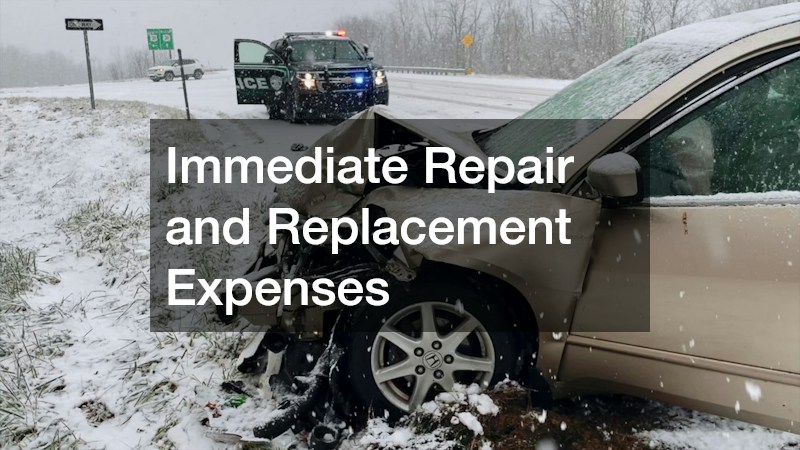
The most visible cost after a company vehicle accident is the physical damage to the vehicle itself. Depending on the severity, repairs can range from a few hundred dollars for cosmetic dents to tens of thousands for structural damage. If the vehicle is totaled, your business faces the added expense of sourcing a replacement, often at current market prices that may exceed what you paid originally. Rental costs to keep operations running in the meantime can add up quickly, especially for businesses that rely on delivery or service vehicles daily.
- Bodywork and frame repairs for moderate to severe collisions
- Full replacement cost if the vehicle is declared a total loss
- Rental or loaner vehicle fees during repair periods
- Towing and storage charges immediately after the accident
Medical Bills and Injury-Related Costs
When a company vehicle accident involves injuries, medical costs can escalate well beyond what most business owners expect. Emergency treatment, follow-up care, physical therapy, and long-term rehabilitation for anyone hurt, including your own employee, can total hundreds of thousands of dollars in serious cases. These expenses often extend for months or years if injuries are severe, and your business may be responsible for a portion of them depending on liability and insurance coverage. Even minor injuries can generate significant bills once imaging, specialist visits, and missed work are factored in.
- Emergency room and ambulance fees
- Ongoing physical therapy or chiropractic care
- Prescription medications and medical equipment
- Lost wages for injured employees during recovery
Legal Fees and Potential Settlements
Accidents involving company vehicles frequently lead to legal disputes, particularly when another party is injured or their property is damaged. If the other driver decides to pursue compensation, they will likely consult with car accident lawyers to evaluate the strength of their claim against your business. Settlements can vary widely depending on fault, injury severity, and the policies involved, but even a moderate settlement can run into six figures. Legal defense costs for your business, including attorney retainers and court fees, add another layer of expense that many owners fail to budget for in advance.
- Settlement payouts for injury or property damage claims
- Attorney fees for defending your business in a dispute
- Court costs if the case proceeds to trial
- Expert witness fees for accident reconstruction or medical testimony

Rising Commercial Insurance Premiums
One of the longer-lasting financial impacts of a company vehicle accident is the effect on your commercial auto insurance premiums. A single at-fault accident can cause your rates to climb for three to five years, and multiple incidents can make it difficult to find affordable coverage at all. Insurers evaluate your business’s overall risk profile, so even accidents involving contracted drivers can affect your standing. Some businesses find themselves moved into higher-risk coverage categories, which come with stricter terms and significantly higher costs.
- Premium increases that can last several renewal cycles
- Potential loss of safe-driver or fleet discounts
- Higher deductibles required after a claim
- Difficulty qualifying for preferred insurance tiers
Lost Productivity and Operational Disruption
When a company vehicle is out of commission, the ripple effects touch nearly every part of the business. Deliveries get delayed, service appointments get rescheduled, and employees may need to cover extra routes or shifts to compensate. If the driver involved in the accident needs recovery time, you may also face the cost of hiring temporary staff or paying overtime to keep operations steady. These disruptions rarely show up as a single line item, but they chip away at revenue and customer satisfaction over time.
The administrative burden adds to this disruption as well. Someone on your team has to manage the claims process, coordinate repairs, communicate with insurers, and sometimes gather documentation for legal proceedings. This can pull managers or owners away from revenue-generating work for days or even weeks, depending on the complexity of the case.
- Missed delivery windows or canceled service calls
- Overtime pay for employees covering extra routes
- Temporary staffing costs if a driver cannot work
- Hours spent managing paperwork and insurance claims
Reputation and Customer Trust Impacts
A company vehicle accident, especially one that is visible to the public or involves a customer, can damage your business’s reputation in ways that are harder to quantify but still costly. Negative reviews, social media posts, or local news coverage can shape how potential customers perceive your reliability and safety standards. Rebuilding trust after a high-profile incident often requires additional marketing spend or customer outreach to reassure your client base. For businesses that depend heavily on their local reputation, this indirect cost can outlast the financial settlement itself.
- Negative online reviews following a publicized accident
- Lost contracts with clients concerned about liability
- Additional marketing needed to rebuild brand trust
- Strain on relationships with long-term customers
Why Legal Guidance Matters After an Incident
Navigating the aftermath of a company vehicle accident involves more than just filing an insurance claim. An experienced accident lawyer can help your business understand its liability exposure, negotiate with the other party’s representation, and avoid costly missteps during settlement discussions. This includes reviewing police reports, employee statements, and vehicle telematics data to build an accurate picture of fault before anyone else does.
Business owners sometimes assume their insurance company will handle everything, but the insurer’s priority is minimizing its own payout, not necessarily protecting your company’s long-term interests. Having independent legal guidance ensures someone is looking out solely for your business, whether that means challenging a lowball settlement offer or identifying coverage gaps you didn’t know existed. An accident lawyer can also advise on how statements made to adjusters or opposing counsel might be used later, which can prevent unintentional admissions of liability.
This is especially important when injuries are involved, since the financial stakes rise significantly. Medical expenses, lost wages, and pain-and-suffering claims can push settlement demands into six figures quickly, and a single serious injury case can exceed your policy limits, exposing company assets. Legal counsel can also help you anticipate related risks, such as workers’ compensation overlap if an employee was driving, or potential OSHA reporting requirements depending on the severity of the crash.
It is also worth understanding how the other side approaches these cases. The injured party will often look for the best personal injury lawyer they can find, someone with a track record of securing strong settlements and extracting maximum value from insurance carriers. These attorneys frequently work on contingency, which means they have every incentive to push hard for a payout well beyond initial medical costs.
That imbalance is exactly why your business should be equally prepared with sound legal counsel from the outset. An attorney experienced in commercial auto liability can help evaluate the actual strength of a claim, identify whether comparative fault applies, and prevent your company from settling for more than the circumstances warrant. They can also coordinate with your insurer to make sure statements, documentation, and settlement offers protect your interests rather than just closing the file quickly. Taking this step early can prevent a manageable situation from turning into a prolonged, expensive legal battle. Waiting until a demand letter or lawsuit arrives often means losing valuable time to gather evidence, interview witnesses, or secure accident scene data before it disappears. A proactive legal strategy, even something as simple as a same-day consultation after an incident, can save tens of thousands of dollars in drawn-out litigation costs down the road.
- Clarifying liability between your business and other drivers, including cases involving third-party contractors or rideshare-style arrangements
- Reviewing settlement offers before you agree to terms, since early offers often undervalue long-term medical or repair costs
- Protecting your business from inflated or fraudulent claims, such as exaggerated injuries or pre-existing vehicle damage billed as new
- Ensuring compliance with state-specific commercial vehicle laws, from DOT reporting thresholds to differing fault and insurance requirements
- Coordinating with your insurance carrier to avoid gaps between policy limits and actual claim exposure
- Preserving evidence like dashcam footage, telematics data, and driver logs before it’s lost or overwritten
Steps to Reduce Future Accident Costs
While you cannot eliminate the risk of accidents entirely, there are concrete steps businesses can take to reduce both the likelihood and the financial impact of future incidents. Investing in driver training, telematics, and regular vehicle maintenance pays off significantly over time. Many businesses also work with personal injury lawyers proactively to review their liability policies and ensure their contracts and waivers are properly structured. Taking a preventive approach not only reduces direct costs but also strengthens your negotiating position if an accident does occur.
- Implementing driver safety training programs
- Installing GPS and telematics for real-time monitoring
- Scheduling consistent vehicle maintenance checks
- Reviewing insurance coverage limits annually
- Establishing clear accident response protocols for employees
The true cost of a company vehicle accident extends far beyond the repair shop, touching everything from insurance premiums to customer trust. Understanding these hidden expenses now puts your business in a much stronger position if an incident ever occurs. Take time this month to review your commercial auto policy, driver training programs, and accident response plan so you are prepared rather than reactive. A little preparation today can save your business significant time, money, and stress down the road.
